Author: Ethan Publish Time: 2026-08-13 Origin: Milestone

The classic beach bag silhouette.
IN THIS ARTICLE
Bogg Bags trigger the same reaction over and over: they look simple, so why do they cost so much more than many other beach totes? That reaction is understandable. A standard Bogg often sits in the $90 to $100 range, while plenty of other bags in the same broad category sell for much less.
The short answer is that you are paying for a very specific kind of bag, not just a place to throw towels. Bogg sells a molded EVA tote that stands up on its own, is easy to clean, fits the brand's accessories, and has become a familiar sight at beaches, pools, and sports sidelines. In other words, the price comes from a mix of product format, brand positioning, and demand.
That is what this article breaks down. We will look at the public price range first, then the simpler reasons it stays above many ordinary alternatives: the molded build, the material, the accessory ecosystem, and the fact that many shoppers now want the original rather than just any bag with a similar shape.
Most shoppers start with the same reaction: why does a molded beach tote cost so much more than a generic pool bag? The first answer is that Bogg's pricing is not random. The line already starts well above impulse-buy territory, and the jump is visible even before you get into accessories.
| Size | Typical retail reference | What that usually means |
|---|---|---|
| Bitty | $55-$60 | Small grab-and-go size |
| Baby | $70-$80 | Mid-size everyday carry |
| Original | $90-$100 | The best-known large tote |
Target's current Bogg listings are a useful reality check here: the Bitty sits in the mid-$50s, the Baby in the $70s to low $80s, and the Original around the $90-$100 mark. That already tells you this is not a bargain tote with a trendy silhouette.
From there, the next driver is versioning. Core colors tend to cluster around the standard size-based pricing, while seasonal palettes, bundles, and some embellished variants can sit higher. On top of that, discontinued colors and harder-to-find versions can trade above standard retail on resale platforms. So when people ask why Bogg Bags feel expensive, part of the answer is simple: this is part of the brand's market strategy.
The phrase "it's just plastic" misses what the bag is actually trying to do. Bogg says the body of the Original and Baby bags is made from EVA, which matters because EVA sits in a strange middle ground: it is lightweight, water-friendly, flexible enough not to feel brittle, but rigid enough to hold a self-standing molded shape.
That does not mean EVA is a miracle material by itself. The real point is that Bogg is not selling a floppy sewn tote made from cheap textile panels. It is selling a molded, easy-to-clean, structured body that has to keep its shape, handle weight, resist mess, and still feel comfortable enough for everyday use. Material choice is part of that equation, but it only makes sense together with the manufacturing method.
There is also a quieter cost layer that cheaper lookalikes do not always foreground: testing and compliance. In its own help center, Bogg says its materials are independently tested by accredited third-party labs and meet or exceed U.S. and Canadian safety standards, including lead and PFAS-related claims. That does not prove every dollar of the retail price is going into material science, but it does show the brand is treating material safety and quality control as part of the product system, not as an afterthought.
So the better way to think about the material cost is this: you are not paying for EVA alone. You are paying for EVA used in a form that has to be molded, durable, easy to clean, and consistent enough to support the brand's larger promise.
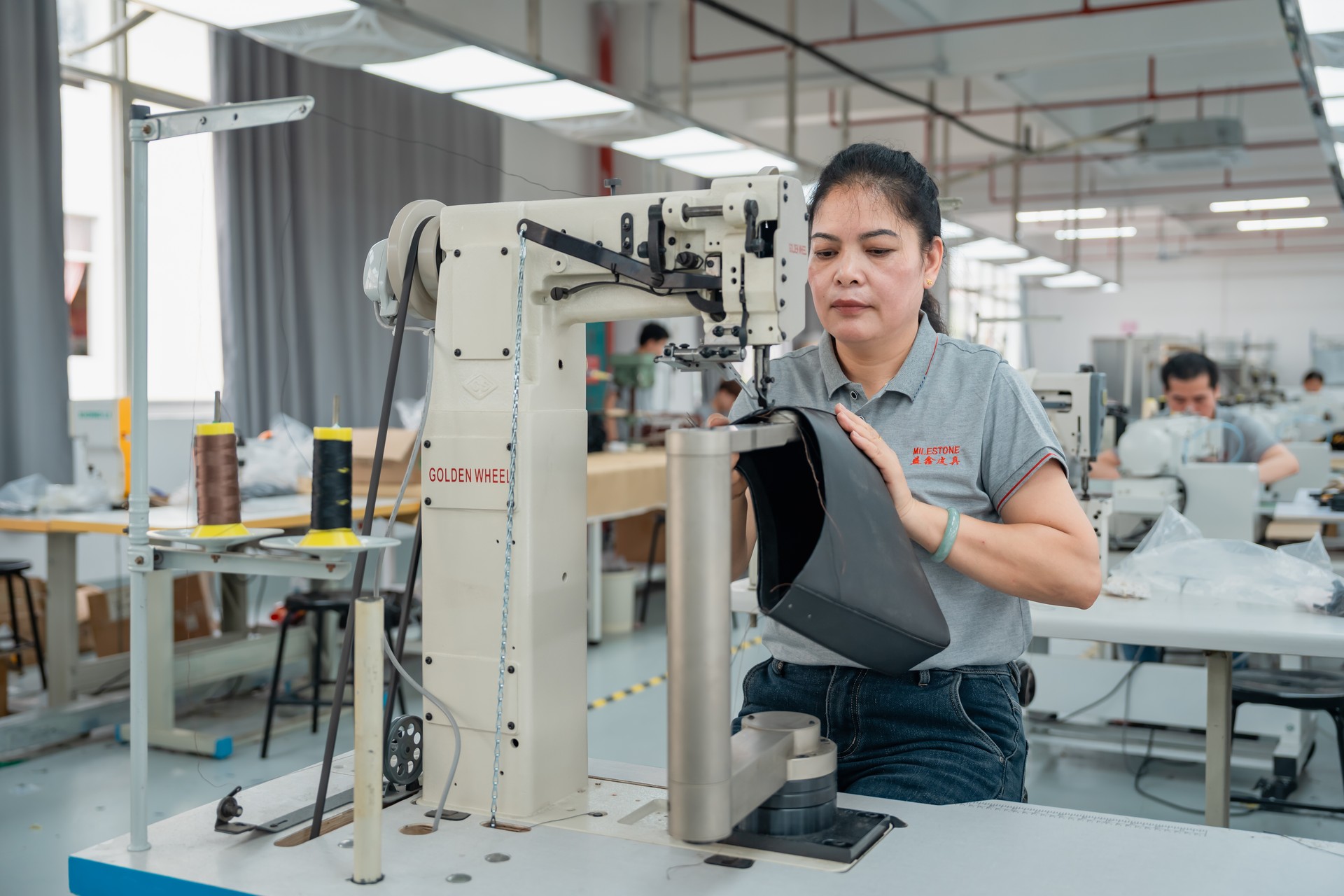
One practical reason Bogg bags cost more than a basic tote is that they are molded rather than cut and sewn. A simple fabric beach bag can be made from panels, stitching, and standard trim. A bag like this starts from a different place: one-piece shape, fixed walls, and a body that is meant to hold itself upright.
Xometry notes that injection-mold tooling can range widely depending on the part and production setup. That range is not a Bogg-specific quote, and it does not mean every molded tote carries an extreme tooling burden. It does, however, help explain why this format does not price like a basic fabric bag.
That difference is easier to understand if you stop thinking of Bogg as just another tote. The shape, perforations, base, and handles all come as part of one molded form, and that usually asks for more setup than a soft bag that can be sewn from flat materials. That alone does not explain the entire retail price, but it is part of why the starting point is higher.
| Build method | Upfront setup burden | What happens later |
|---|---|---|
| Injection-molded EVA tote | Higher: mold development and setup | More shape consistency once production is running |
| Basic sewn tote | Lower: patterns, cutting, sewing workflow | Less setup, but more dependent on fabric and labor |
So this section is not really about making Bogg sound ultra-technical. It is simply about recognizing that a molded tote and a soft tote are not built the same way, and that difference affects cost before branding ever enters the picture.
This part is less about hidden engineering and more about the experience people are buying. Bogg's official product language emphasizes durability, washability, and a tip-proof shape, and the Baby product page presents the bag as a structured carryall rather than a floppy shell product details. That matters because many shoppers want exactly that kind of grab-and-go bag.
A soft tote and a molded tote can carry some of the same things, but they do not feel the same in use. One collapses, folds, and slouches. The other stands up, keeps its shape, and stays easy to rinse out after sand, snacks, or sports gear. That difference is simple, but it is real, and it helps explain why some buyers are willing to pay more for this format.
The accessory fit matters too. Bogg sells inserts and add-ons that are meant to work with the original bag, and that only really works when the hole pattern and overall shape stay fairly consistent. A cheaper lookalike may still do the job, but it is not always interchangeable in the same way.
So the point here is not that Bogg is some kind of technical marvel. It is that the bag delivers a more fixed, more recognizable, and more specialized use experience than a soft beach tote, and that difference has value for the people who want exactly that.
The part that outside observers often miss is that Bogg is no longer competing only with generic beach totes. It is also competing as a recognizable brand with a loyal customer base and a format that many shoppers now specifically ask for.
That point comes through clearly in a founder interview on Yahoo Finance. The reported Bogg price range runs from roughly $55 for the smallest bag to roughly $100 for the largest, and the founder ties the premium to things that strengthen the original brand: customer service, replacement support, and accessories that fit the bag properly.
Another small but real advantage is how customizable the format feels in everyday use. Bogg itself sells add-ons, and the simple hole pattern has also encouraged a wide third-party market for charms, inserts, tags, and other decorative extras. That kind of flexibility gives the bag more play value and keeps it highly visible across different customer groups.
That does not directly explain every dollar of the retail price, but it does help explain the brand's staying power. Once a product becomes recognizable, accessorized, and easy for customers to personalize around the edges, it tends to build more attention than a plain unbranded alternative. The same idea also matters on the manufacturing side. Once a bag is meant to support accessories, consistent shape, and a recognizable identity, the brief becomes more specific than "make a tote." That is exactly where a custom bag manufacturing program has to get the details right.
Whether a Bogg Bag feels worth it depends largely on how often you will actually use it. If it is going with you to the beach, the pool, sports sidelines, travel, or messy family errands on a regular basis, the value is easier to understand because the bag's structure, generous capacity, and easy-clean surface are being used the way they were meant to be used.
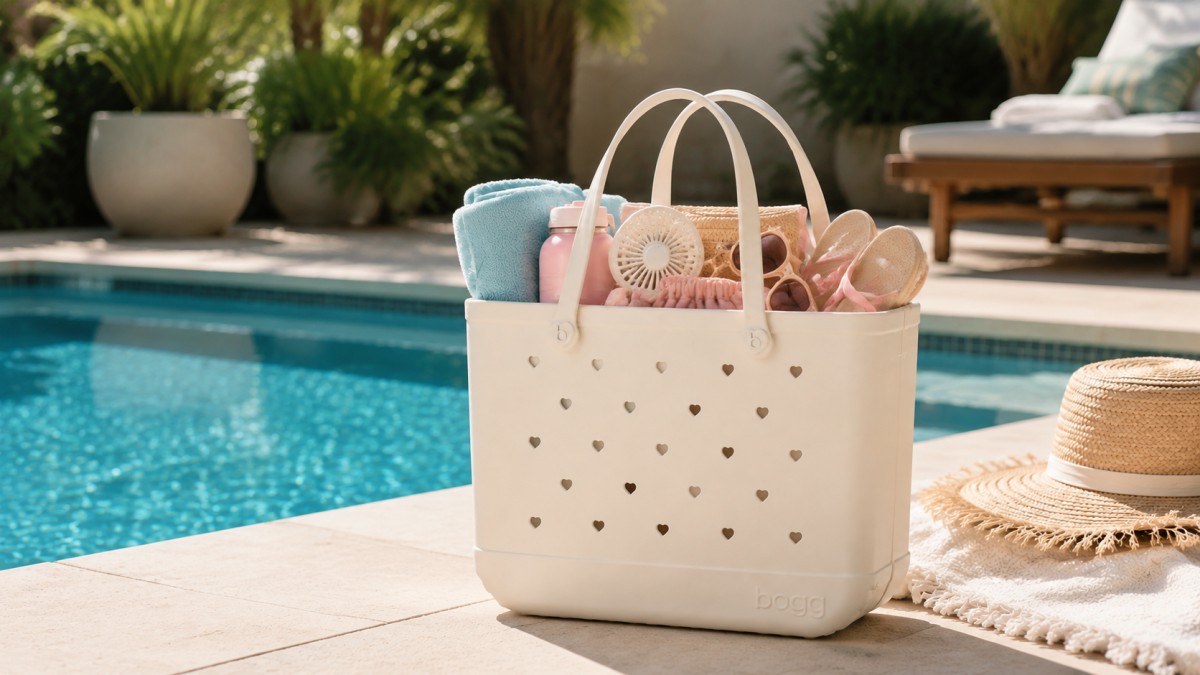
A bag like this is usually judged over seasons of use, not a single trip.
In that sense, this is less about proving that the bag is cheap and more about deciding whether the format fits your routine. For people who want a roomy, structured tote they can reach for again and again, Bogg's appeal is easy to understand.
So why are Bogg Bags so expensive? Mostly because they are not being sold as ordinary beach totes. They sit in a middle space where material, molded shape, recognizable styling, accessory compatibility, and brand demand all push the price above the generic tier.
That does not mean the bag is automatically worth it for everyone. It means the price starts to make more sense once you compare it to the product Bogg is actually selling: an easy-to-clean molded tote with a very specific use case and a recognizable format that many shoppers actively want.
For shoppers, the takeaway is simple. If you want this exact format, the original may feel worth the premium. If you just want something to carry towels, there are cheaper ways to solve the problem. For brands and sourcing teams, the lesson is also clear: when a product becomes recognizable enough that shoppers ask for it by name, price is no longer only about raw material or labor.
Ready to start your custom project?
Expert insights on care, styling, and manufacturing.
Most core Bogg Bags sit in a clear retail range rather than one mystery price. Current public listings show the Bitty around $55, the Baby around $80, and many Original bags around $90 to $100. Special colors, bundles, and reseller pricing can push the real number higher, but that standard range is the starting point.
Bogg Bags are made from EVA plastic. The brand's support materials identify EVA as the body material for the Original and Baby bags. That matters because the product is designed to be molded, easy to clean, and self-standing, which is different from an ordinary sewn textile tote.
Yes—easy cleaning is one of the main reasons people buy them. Bogg's support guidance says the bags can be cleaned with water or mild soap, and the brand also offers help with replacement snaps, buttons, and certain repair issues through customer support. That service layer is part of what separates the original from many cheaper copies.
Core bags already include inserts. Bogg's help center says the Original comes with one large and one small insert, while the Baby and Bitty come with a small insert. Extra accessories and decorative add-ons are sold separately, which helps explain why the bag feels more like a product system than a simple tote.
They are a good fit for people who will use them often. If you want an easy-to-clean, self-standing tote with generous capacity and a simple, attractive design for beach days, sports sidelines, pool trips, travel, and messy family errands, Bogg's format is especially well suited to that kind of routine use.