Author: Ethan Publish Time: 2026-08-26 Origin: Milestone

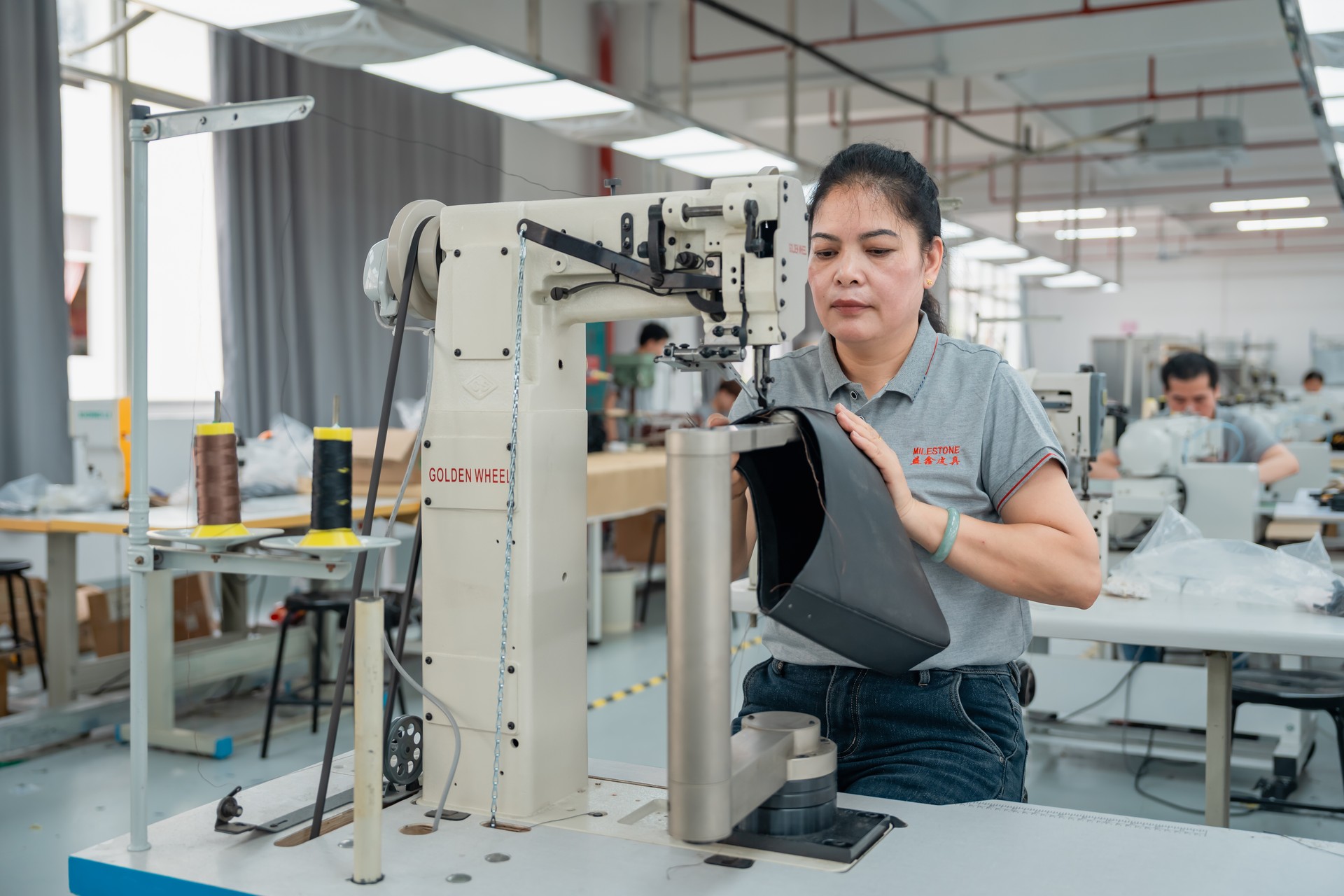
Coach's global manufacturing footprint.
IN THIS ARTICLE
Coach bags are not made in just one place. Coach is the brand, and Tapestry is its parent company. In Tapestry's latest filings, Coach's manufacturing footprint is mainly in Vietnam, Cambodia, the Philippines, and India.
If you're checking one specific bag, use the origin marking on that item rather than assuming every Coach bag came from the same country.
If you want the shortest trustworthy answer, start with the countries Tapestry names in its latest filing. Those are the countries the company highlights when describing where Coach's current manufacturing footprint is primarily located.
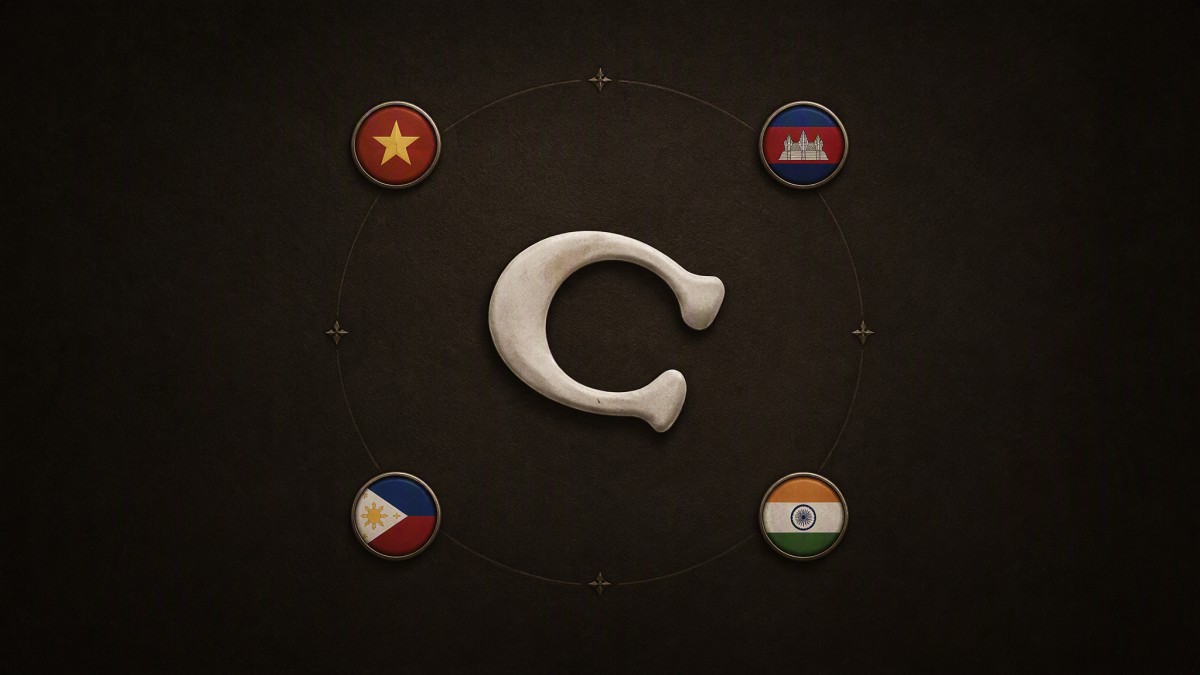
Recent filings highlight four primary countries.
| Country | What the official disclosure supports | What readers should infer |
|---|---|---|
| Vietnam | Listed as one of the primary manufacturing locations in recent Tapestry filings | A common modern production base within the Coach/Tapestry supply chain |
| Cambodia | Listed alongside Vietnam in the same recent disclosures | Coach production is spread across more than one Southeast Asian sourcing hub |
| Philippines | Repeated in the same disclosures | The footprint is diversified rather than tied to one factory country |
| India | Also named in the latest disclosure | Coach/Tapestry production includes South Asian manufacturing capacity too |
Two practical caveats keep this section honest. First, these filings describe the company's products broadly, not handbags line by line. Second, "primarily located in" is not the same as "exclusively made in." So if your real question is where one exact Coach tote, shoulder bag, or crossbody was made, the annual report gives you the brand-level map, not the final item-level verdict.
Coach's New York origin and its manufacturing geography are related, but they are not the same fact. On the official Coach Story page, Coach says it was founded in New York in 1941 by six artisans. That establishes the brand's heritage; it does not mean every current Coach bag is made in New York.
The manufacturing footprint changed over time. An early-2000s SEC filing shows Coach working through a transition period that included production and facility changes tied to New Jersey and Florida, as well as production links in Puerto Rico, while the business shifted toward lower-cost third-party manufacturing.
By fiscal 2012, Coach described a much more global model: substantially all non-licensed product needs were purchased from independent manufacturers outside the United States, including China, Vietnam, India, the Philippines, Thailand, Italy, Taiwan, Peru, Malaysia, Colombia, Turkey and Great Britain, according to its fiscal 2012 SEC filing.
The latest Tapestry filing identifies Vietnam, Cambodia, the Philippines, and India as the primary countries in the current footprint. The useful takeaway is simple: New York explains where Coach began, while the filings show how its production model developed into a diversified international supply chain.
The best way to verify a specific Coach bag is to start with the bag itself, not with assumptions.
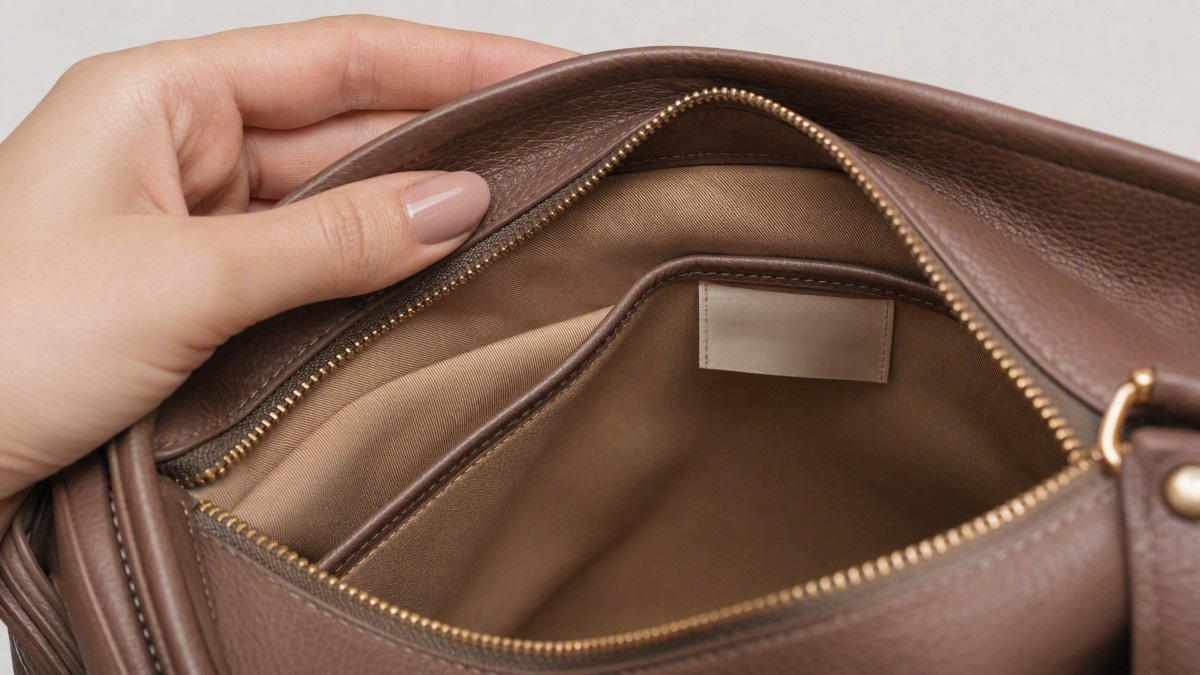
Check the bag's own origin tag first.
In short, the annual report tells you the map; the bag tells you the point on the map.
From a sourcing perspective, Coach's footprint is normal for a scaled leather-goods brand. Large brands rarely rely on one factory or one country forever. They spread production across approved partners to balance capacity, specialization, compliance, lead time, and risk. That does not make the product less controlled; it means the brand has to push the same standards across a wider network.
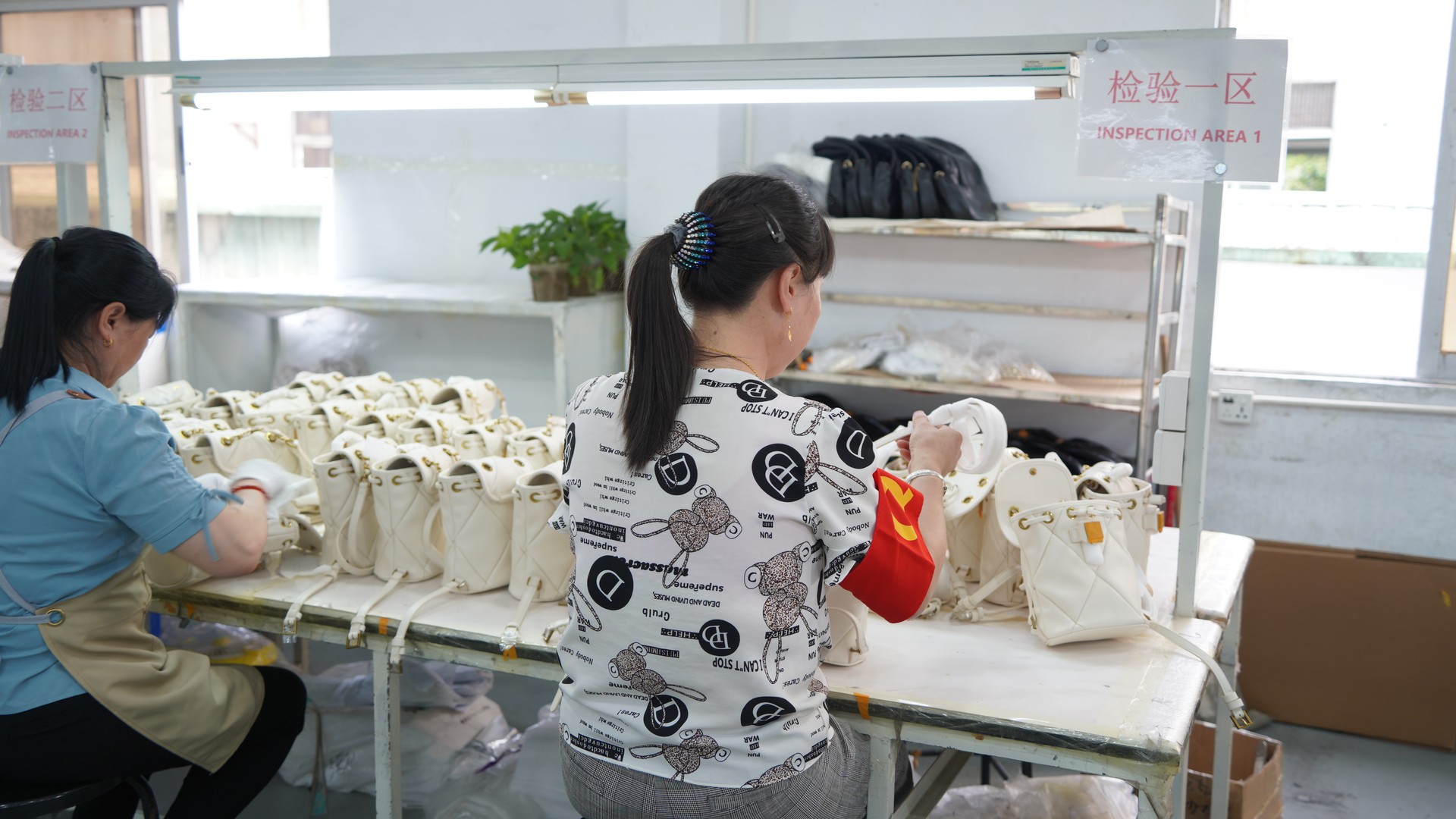
Quality control matters more than one country name.
For B2B readers, that is the more useful lesson behind the question. Instead of asking which single country is magically "best," ask how the program is built: who owns the specification, who approves materials, how sampling is managed, how inspections are run, and how the supplier base is diversified. Those are the systems that protect consistency when production spans multiple countries.
Many private-label bag programs are still built around China for sampling, material coordination, and scalable production. If that is the direction you are evaluating, the same sourcing logic applies: what matters is not the country label alone, but whether the factory can support consistent specifications, quality control, and reliable delivery.
If you are building your own premium bag program, our pages on China handbag suppliers and Cambodia bag factories go deeper into how that factory-side planning actually works.
So, where are Coach bags made? Today, the most defensible official answer is that Coach sits inside a Tapestry manufacturing base primarily located in Vietnam, Cambodia, the Philippines, and India, while the brand itself remains New York-founded. That means you should not expect every Coach bag to come from one country.
If you want to understand one particular bag, verify the origin marking on that item. If you are asking the question from a sourcing or private-label angle, the bigger takeaway is how premium brands structure multi-country production without losing consistency. If that is the direction you are exploring, our leather bag manufacturing page is a practical next step for discussing sampling, construction standards, and scalable production support.
Ready to start your custom project?
Quick answers on Coach bag origin and what the official filings really mean.