Author: Ethan Publish Time: 2026-09-04 Origin: Milestone

Clutch or purse: which carry style fits your day?
IN THIS ARTICLE
If you want the shortest answer, a clutch is a small bag built mainly for hand carry, while purse is the broader American English word for a handbag. That means a clutch can be described as a type of purse, but the two labels are not interchangeable.
The useful difference appears when you shop. A clutch is usually chosen for lighter carry, cleaner lines, and shorter or dressier outings. Purse is the wider label stores use for everyday shoulder bags, crossbodies, satchels, totes, top-handle bags, and sometimes small formal bags too. When a listing blurs the terms, judge the bag by size, strap setup, storage, and occasion rather than the title alone.
| Feature | Clutch bag | Purse |
|---|---|---|
| Primary carry | Hand, under the arm, or a short wrist/chain attachment | Shoulder, crossbody, handle, or hand |
| Typical capacity | Essentials such as a phone, cards, keys, and a small cosmetic item | Small to large, depending on the specific style |
| Hands-free use | Usually limited unless a detachable strap is included | Often built around a shoulder or crossbody strap |
| Organization | A main compartment and a few card or slip pockets are common | More pockets, dividers, and sections are common |
| Typical use | Events, dinners, ceremonies, evenings, or light day carry | Commuting, shopping, travel, work, and everyday use |
| What to check in a listing | Dimensions, closure, strap attachment, and what fits inside | Strap drop, dimensions, compartments, and carrying comfort |
This table is a shopping tool, not a set of legal definitions. A large foldover clutch may hold more than a very small shoulder purse. A compact purse may be formal, and a casual clutch may be practical for daytime. The dominant design and the way you expect to carry it matter more than one isolated feature.
A clutch is defined mainly by its compact shape and its intended carry method. It is made to be held, tucked under the arm, or carried with a short attachment rather than worn from a full-length shoulder strap. Cambridge Dictionary's definition of clutch bag captures that basic idea, but real products allow some variation.
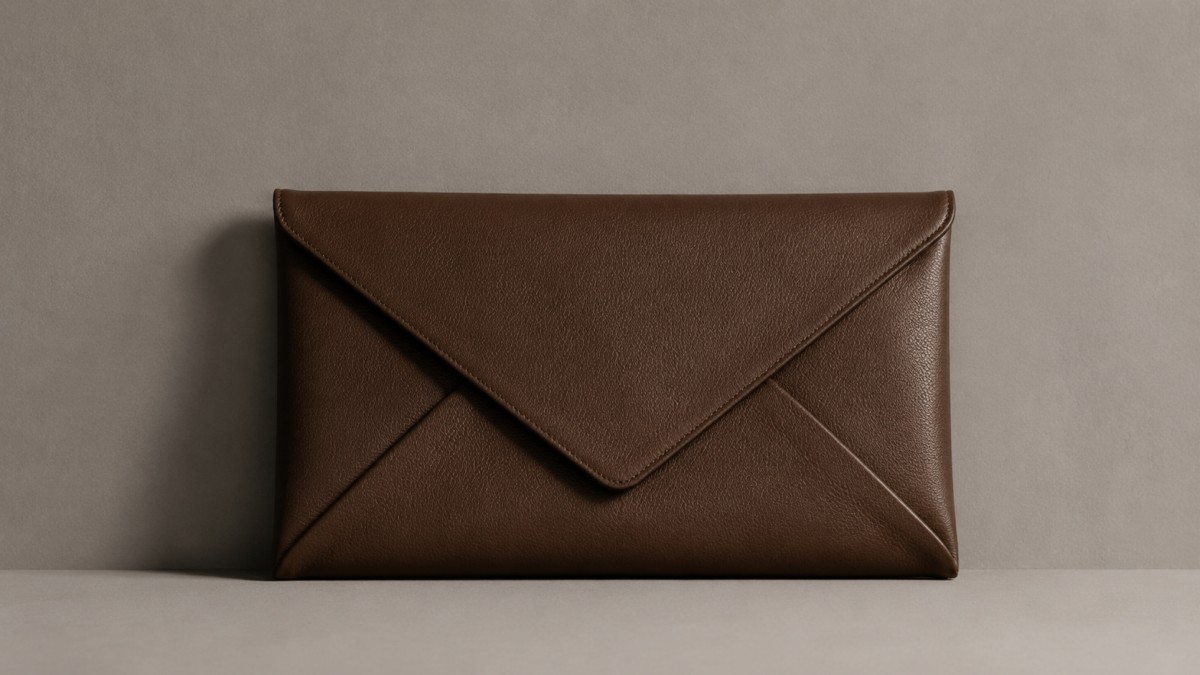
A compact clutch is built around light, essential-only carry.
Common forms include envelope clutches, foldover clutches, box clutches, and soft evening clutches. Most are sized around a limited set of essentials: a phone, cards, keys, identification, medication, and perhaps lipstick or another small cosmetic. A slim profile also makes a clutch easy to pair with formal clothing where a larger everyday bag would feel bulky.
The bag does not stop being a clutch just because it has a detachable chain, wrist strap, or short handle. Those attachments add carrying options. The better test is whether the body remains compact and whether hand or under-arm carry is still a primary use. For a specific product, check the measurements rather than assuming every item called "clutch" has the same capacity.
In American English, purse usually means handbag, not one exact bag shape. Merriam-Webster's purse definition reflects that broad everyday usage, which is why stores apply the word to everything from shoulder bags and crossbodies to satchels, totes, top-handle bags, and some smaller formal styles.
If you're reading from the UK, the word has a different everyday feel: British English often uses purse for a small coin purse or money pouch, while handbag is the more common word for the larger bag.
That broad usage is what confuses shoppers. One purse may be roomy, divided, and built for daily wear, while another may be compact and dressy. The word itself does not tell you how much the bag holds, whether it is hands-free, or whether it is meant for work, errands, or an evening out.
So when a listing says purse, move quickly to the practical details: width, height, depth, strap drop, compartments, closure, and weight. Those details tell you more than the label does, because they show how the bag will actually carry through a real day.
Retail language often mixes category words, carry words, and occasion words. That is why shoppers run into labels such as "clutch purse," "evening purse," or "formal clutch bag" for products that look very similar. In most cases, "clutch purse" simply means a small purse meant to function like a clutch.
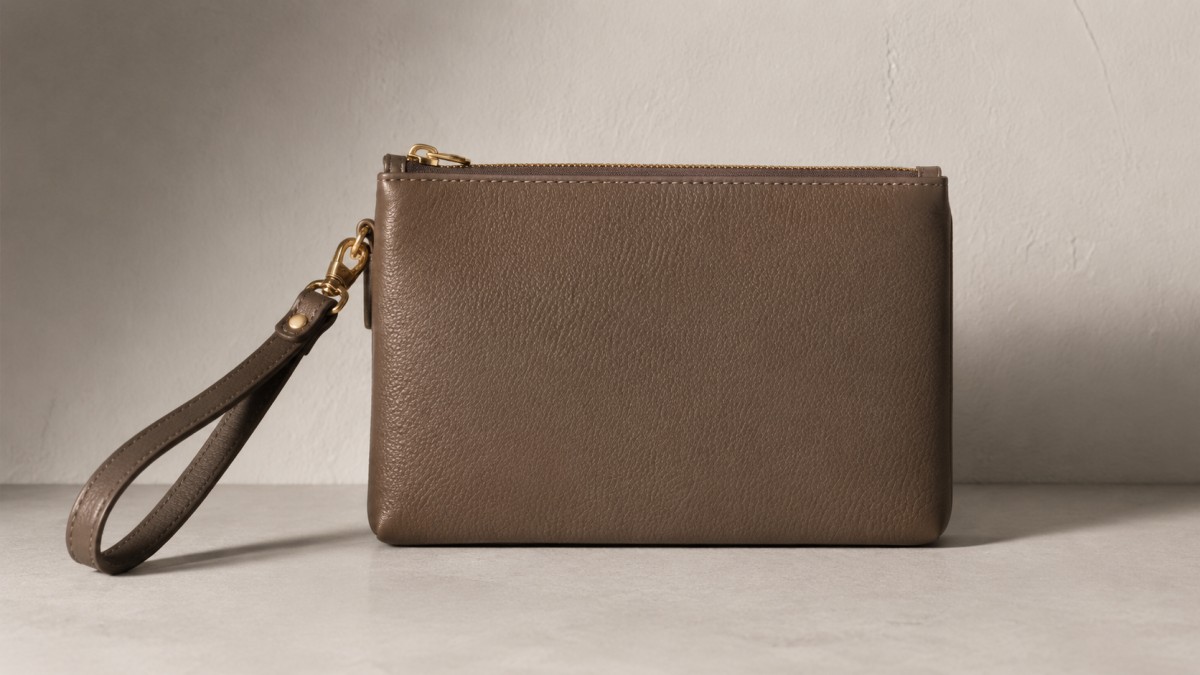
A wristlet can overlap with clutch styling while adding a short wrist strap.
A few nearby terms are worth separating:
The easiest way to decode a listing is to stop asking which label sounds right and start asking what the bag actually is: how it is carried, how much it holds, and what situation it is built for.
Choose a clutch when your priority is a neat, low-bulk bag for a limited set of essentials. It is a natural fit for a wedding, dinner, ceremony, party, or short outing where you do not want a large bag competing with your clothes. Before buying, test the actual dimensions against your phone, cards, keys, medication, and any item you cannot leave behind. A detachable strap can make a compact clutch more flexible, but it does not turn it into a full-capacity everyday purse.
Choose a purse when you need organization, more capacity, or comfortable hands-free carrying. A crossbody is useful when you will walk, shop, or travel; a shoulder bag keeps access easy; a top-handle purse may suit work or a polished daytime outfit. Check strap drop and weight as carefully as the interior size. A bag that technically fits everything may still be uncomfortable after a full day.
If you want one item to cover both situations, look for a compact purse or clutch with a removable strap, a secure closure, and enough depth for your essentials. The decision can be reduced to four questions: What must fit? Do you need both hands free? How long will you carry it? Which closure and organization make the contents easy to reach?
If you reduce the topic to one practical rule, it is this: choose a clutch when you want compact, light, hand-carried styling, and choose a purse when you need a broader handbag category with more room or strap-based convenience. The labels overlap, but the real decision usually becomes clear once you compare capacity, carry method, and occasion.
That same logic is useful beyond personal shopping. For a retail or wholesale program, the choice between clutch-like and purse-like designs shapes the product brief itself: dimensions, closure, strap option, internal layout, hardware, and target use case. If you are developing a custom leather line, our leather bag manufacturing team can help turn that carry-style decision into workable samples and production planning.
Ready to start your custom project?
Quick answers to the terminology and buying decisions covered above.
Usually, yes. In American English, purse is the broad handbag term, while a clutch is a compact format usually carried in the hand, under the arm, or with a short attachment.
Yes. A clutch can have a detachable chain, wrist strap, or short handle. Those attachments add carrying options; the compact body and intended light carry still make it clutch-style.
Usually it is overlapping retail language for a small purse designed to function like a clutch. It is not a universally separate bag category, so use the dimensions, strap setup, and closure to judge the actual design.
For most people, a purse is better for everyday use because it usually offers more capacity, organization, and hands-free carrying. A clutch works better when you only need essentials or want a cleaner look for a shorter outing.
Not exactly. A wristlet is identified by its short wrist strap, while a clutch is defined more broadly by its compact hand-carried format. One bag can be both a wristlet and a clutch, but the terms are not perfect synonyms.