Author: Ethan Publish Time: 2026-03-10 Origin: Milestone

Baseball handbags step out of the dugout of novelty and into everyday style, blending the familiar curves and stitching of a classic ball with the utility buyers expect from a modern accessory. Interest has surged on both sides of the market: consumers look for pieces that feel personal and playful, while retailers and sourcing managers note steady demand for themed designs that still hold up to real use. The category thrives because these bags aren't just souvenirs; they work. A well-made baseball purse carries phones, keys, and small essentials, and its rounded shell adds a tactile appeal that stands out in a crowded shelf set. For brands and distributors, this mix of charm and function signals a product with staying power.
A baseball handbag borrows cues from the sport's familiar visual language, yet it transforms those cues into something suited for daily use rather than stadium-only moments. Designers often start with the iconic elements—the arched red stitching, the warm grain of glove‑inspired leather, the curved paneling that echoes a well‑worn ball—then reinterpret them with cleaner lines and more structured silhouettes. The result has the charm of athletic heritage but feels polished enough for retail floors, corporate gifting programs, or boutique collections.
What separates these handbags from novelty sports bags is their intent. Novelty pieces tend to mimic fan merchandise; they shout team colors, replicate equipment, or lean into playful shapes. A true baseball handbag, by contrast, uses sport as a design language, not a costume. The stitching might be tactile, but the rest of the bag behaves like a contemporary everyday accessory: functional pockets, refined hardware, and materials chosen for longevity instead of kitsch. This distinction matters for buyers who want a product that nods to heritage without tipping into gimmick territory.
Their purpose stretches beyond fandom. Retailers and brand partners increasingly look to baseball‑inspired handbags because they offer an accessible entry point to Americana design, which pairs well with broader conversations about craft and cultural vocabulary found in guides like the discussion of handbag terminology in the American handbag lexicon. For manufacturers, this balance of sport and sophistication creates a category with steady demand—a bag that tells a story even when it's carried far from the field.
Baseball has shaped American fashion for more than a century, leaving its mark on everything from varsity jackets to the classic stitching patterns designers still echo in bags today. Early handbag makers borrowed cues from the sport's stitched panels and rugged leather, translating equipment meant for the field into accessories that felt familiar to fans. Over time, this influence widened as streetwear, sports culture, and heritage craftsmanship began to overlap, giving rise to baseball-inspired accessories that blended nostalgia with everyday practicality.
This crossover gained even more visibility when global events embraced sport–fashion storytelling, illustrated by the opening ceremony's use of fashion–sport collaboration during the Paris Olympics. Moments like this pushed consumers to expect accessories that nod to athletic heritage while offering elevated design.
Modern buyers—whether retail customers or wholesale partners—now look for handbags that carry the authenticity of traditional baseball materials but align with today's cleaner silhouettes and work–life versatility. The design origins rooted in the diamond still guide expectations, but the execution has evolved into something sharper, lighter, and suited to contemporary wardrobes.
The most recognizable feature of a baseball handbag is its stitching, a detail that mirrors the raised red seams found on a well-worn game ball. Designers often exaggerate those curved lines so they feel almost sculptural under the fingertips, giving buyers a small moment of surprise when they trace the thread and feel its slight ridges. This seam work isn't just decoration; it signals craft, because replicating the tight, looping motion of authentic baseball stitching requires steady hands and an understanding of how tension behaves across a rounded surface.

Many pieces also adopt a round or near-round silhouette, echoing the geometry of a baseball without slipping into novelty. Some makers use multi‑panel construction—two, four, or even six segments—joined at precise angles to keep the bag's shape crisp. When those panels pull together correctly, the bag has that satisfying firmness you get when pressing a regulation ball, a tactile cue buyers respond to in both retail and wholesale settings.
Color choices tend to follow the sport's iconic cues: chalk white that recalls fresh leather straight from a dugout bag, deep red inspired by classic seam dye, and navy or sand tones tied to uniforms and infield clay. Brands often play within this palette because it communicates heritage instantly, yet there's room for contrast trims or muted neutrals that make the handbag suitable for everyday use. For manufacturers, these recurring design elements form a shared language—recognizable at a glance, reliable in production, and flexible enough to support seasonal updates without losing the character that defines the category.
Baseball handbags stand out because they stretch across several familiar silhouettes, yet each one carries a slightly different purpose. A crossbody style tends to be the most practical for fans or shoppers who want hands-free movement; the strap sits securely across the torso, and the compact shell holds only the essentials. A tote, by contrast, brings a roomier profile—ideal for buyers who need space for a water bottle, notebooks, or small merchandise samples, especially when evaluating multiple item categories from a product line. Novelty shapes inspired by an actual baseball, stitching patterns, or glove-like contours add a playful edge and often appeal to retailers looking for impulse‑friendly display pieces. These shapes also serve as a gateway to broader style education, similar to what buyers might explore in guides such as different handbag types.

Team‑branded options lean into bold logos and saturated colors, creating immediate emotional appeal for sports fans. Minimalist versions skip heavy graphics and focus instead on clean panels, subtle grain, and stitching cues drawn from classic leatherwork. Both directions serve different merchandising needs.
Functional differences matter as well. Mini bags hold small tech and cards. Medium bags bridge daily use and event carry. Large formats accommodate fuller loads, making them practical for travel or game‑day packing.
Comparison of Baseball Handbag Types
| Type | Key Traits | Best Use Case |
|---|---|---|
| Crossbody | Compact, hands-free | Everyday carry, stadium events |
| Tote | Larger capacity | Work, travel, retail sampling |
| Novelty Shapes | Playful, thematic | Fan merchandise, gifting |
Material choices shape both the price and the performance of a baseball handbag, and buyers often compare PU leather, genuine leather, and newer hybrid options to understand what they're really paying for. PU offers a smooth, uniform surface that resists scratches, making it practical for promotional or seasonally updated collections, though it lacks the warm, grainy texture that develops in full‑grain hides. Genuine leather, especially when sourced from steady‑quality tanneries, holds its shape longer and ages with a soft sheen that synthetic substitutes can't truly mimic; those curious about how different materials behave over time often turn to guides like this one on common handbag materials for added clarity. Hybrids—pairing leather touchpoints with PU panels—sit in the middle, giving brands flexibility when they're trying to balance durability with cost control.

The stitching on these bags reveals even more. Real structural stitching bites into the material with slightly raised threads, the kind you feel when you run a finger along the seam. Decorative stitching, by contrast, sits shallow and is often added only to echo the look of classic baseball laces. Both have their place, but they serve different functions.
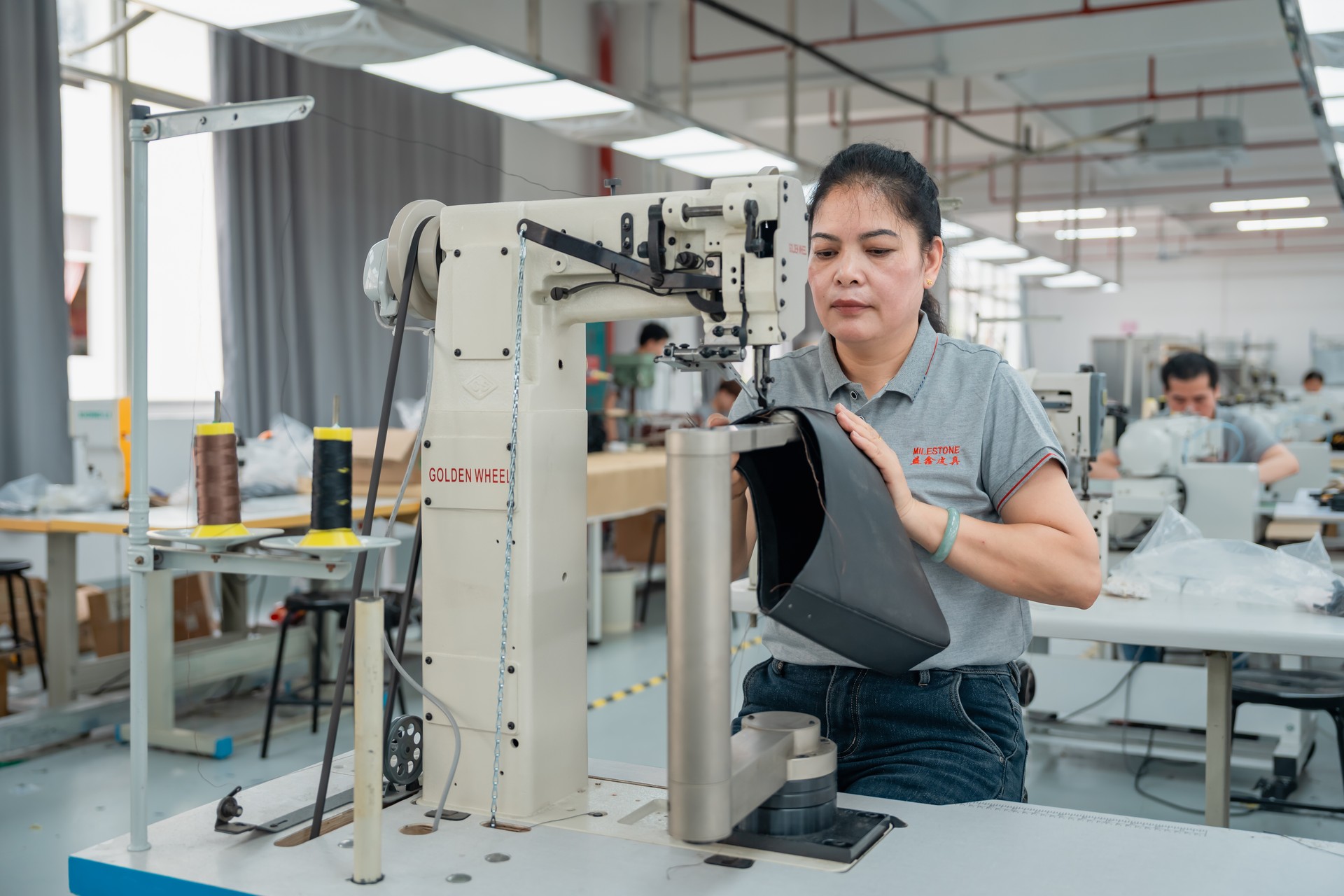
Milestone keeps tight standards across all tiers. Every sample is pull‑tested, seam‑checked under tension, and inspected for stitch consistency to prevent loose ends or uneven spacing. This approach ensures that even an entry‑level PU model feels intentionally built, while premium leather editions carry the sturdiness that retailers and private‑label clients expect from a long‑term manufacturing partner.
A baseball handbag earns its place in daily rotation when its utility feels instinctive, starting with how the interior is organized. The pocket layout often mixes open sleeves for quick‑grab items with zip compartments that keep smaller essentials from drifting into the seams, and the exterior might carry a hidden slip pocket that snaps shut with a crisp pull—small details that keep the bag from feeling cluttered by midday. Closures matter just as much; a sturdy zipper track or a magnetic flap that locks with a clean click creates confidence in motion, whether the bag is tossed into a car seat or carried through a crowded station.
Durability is another quiet requirement. The leather or reinforced textile needs to withstand repeated flexing, light scuffs, and the slow abrasion that comes from brushing against desks or denim. When the materials hold their shape instead of showing early fraying, the bag signals that it's built for regular use rather than occasional outings.
Straps often determine comfort, so brands pay close attention to adjustability and how the shoulder pad distributes weight. A well‑designed strap settles naturally against the body, reducing the pinch that can creep in during long commutes and making the bag feel like part of the daily rhythm rather than an accessory you need to manage.
Baseball handbags pair easily with relaxed wardrobes. The rounded silhouette works well with washed denim, a soft varsity jacket, or even a simple T‑shirt dress because the structured panels echo familiar sporting gear, adding a grounded, tactile accent. Retailers often notice that these bags create an instant visual hook on the shelf; the stitching, panel layout, and glove‑inspired lacing draw attention from across the store, giving merchandising teams a ready‑made focal piece for endcaps or themed displays.
The wider commercial value becomes clearer when seen through the lens of modern sport–fashion collaborations. Industry research notes that contemporary partnerships between fashion labels and athletic culture often explore creative campaigns and collections to grow brand identity and awareness, a trend that mirrors the appeal of baseball‑inspired accessories. This makes the category particularly useful for buyers planning cross‑department promotions.
Seasonality plays in its favor. Spring training and summer baseball season invite light, casual styling, while fall collections can present the bag as a nostalgic, gift‑ready item with deeper colors and heavier textures. Retailers can build limited‑run drops, team‑color capsules, or stadium‑day promotions around the shape, giving both B2B partners and end customers a reason to return.
Baseball handbags draw interest because they blend sport‑born character with refined style, creating a piece that feels familiar yet distinctly crafted. Their appeal grows even stronger when each panel, stitch, and handle is shaped with premium materials and controlled, small‑batch workmanship—the kind buyers can confidently position in higher-value retail environments. As interest in nostalgic accessories continues to rise, brands and retailers looking to stand out can partner with Milestone through our custom manufacturing services, where thoughtful design support and dependable production come together to build collections with lasting market traction.
Ready to start your custom project?
Expert insights on care, styling, and manufacturing.
Most baseball handbags are fashion accessories rather than functional gear bags. Their designs borrow elements from baseballs, gloves, or stitching, but they're typically sized and structured for everyday essentials. While they nod to the sport aesthetically, they're not intended to carry bats, gloves, or other real equipment.
Most baseball handbags use synthetic leather for affordability and consistent texture, while premium versions may incorporate genuine glove leather for an authentic feel. Material choices vary widely, often influenced by the same considerations found in discussions of handbag material varieties. High-end designers lean toward real leather, while mass‑market styles favor durable synthetics.
Small-MOQ options are typically available, especially from boutique manufacturers and sports merch suppliers that cater to youth teams and local leagues. Many offer flexible minimums—sometimes as low as 10–25 units—allowing teams to test designs or run limited-edition merch without large upfront commitments. Customization usually includes colors, logos, and stitching.
Leather baseball handbags typically face higher import duties because they're classified as natural animal‑based goods, while PU versions fall under lower‑tariff synthetic materials. Rates vary by country, but leather often enters premium duty categories. Understanding leather quality, such as in this guide, can help clarify why customs classify it differently.
A baseball handbag is generally built for casual wear, though many styles handle light outdoor use thanks to durable materials and structured designs. It's not intended for rugged field conditions, so dirt, moisture, and impact can cause wear. For actual field activity, a sports-specific equipment bag is more appropriate.