Author: Ethan Publish Time: 2026-03-05 Origin: Milestone

Fabric sits at the heart of every successful handbag, shaping how it feels in the hand, how long it lasts, and even how customers perceive the brand behind it. A sturdy weave can signal reliability, while a softer cloth can suggest a more relaxed, everyday purpose. For manufacturers and sourcing teams, the choice goes far beyond color palettes; they need materials that stay consistent across large production runs and hold up under the stress of real‑world use. This is where textile performance and visual character start to influence margins, warranties, and long-term reputation. When a fabric maintains its structure, resists fraying, and presents a clean surface without constant adjustment, it supports both design freedom and dependable scaling—key ingredients in any handbag line that aims to last. If your unique fashion brand is sourcing premium quality bags, take a moment to explore our exquisite collection of women's fabric handbags.
Choosing the right fabric does more than decide how a bag feels in the hand; it sets the stage for its silhouette, structure, and long-term behavior. A stiff canvas or coated textile holds sharp edges that keep a tote upright on its own, while softer cotton weaves collapse into a relaxed profile the moment they're set down. Weight plays a quiet but influential role as well. Nylon trims ounces, making larger styles easier to carry all day, whereas heavy jacquards or densely woven blends add a noticeable pull on the shoulder.
Climate shapes performance just as strongly. Humid regions can coax moisture into natural fibers, softening them over time or causing the surface to ripple, while dry heat accelerates fading or brittle edges in certain synthetics. In cold weather, some coated materials stiffen until they feel almost board-like. These shifts affect not only longevity but also the comfort of using everyday handbags in real-world conditions.
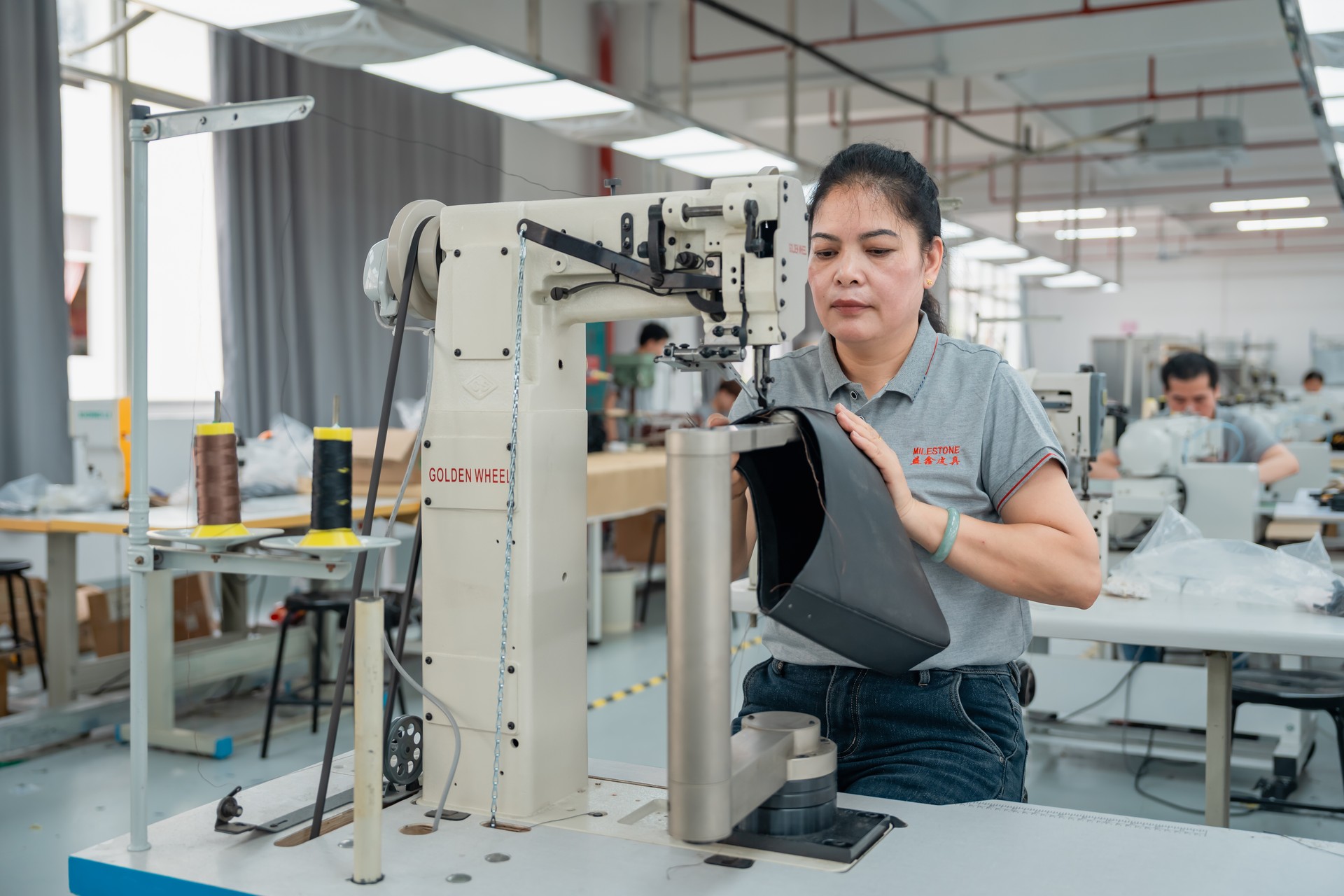
Behind the scenes, fabric selection influences how complex the craftsmanship becomes. Slippery satins fight against straight seams, demanding slower stitching and more experienced hands. Thick technical textiles can dull needles and challenge machinery, which raises production hours and, inevitably, cost. Brands often weigh whether a particular fabric's character justifies the additional labor, especially when producing structured designs that rely on precise shaping. Choosing the right textile becomes a balance between aesthetics, performance, and manufacturing efficiency, and that choice ultimately defines how a finished bag feels, lasts, and resonates with its user.
Cotton, canvas, and linen remain popular choices for handbag makers because each fabric carries a distinct balance of strength, texture, and long-term wearability. Cotton offers a soft handfeel right from the start, making it a favorite for lightweight totes and relaxed day bags. It handles daily movement well but can soften and fade over time, especially after repeated washing. Researchers note that even gentle laundering can slowly break down textile fibers through detergents and mechanical stress, which explains why cotton bags may lose crispness sooner than other natural materials.

Canvas, by contrast, brings a denser weave and a sturdier structure. Many brands choose it when they want a fabric that resists sagging and keeps its shape during heavy use. Readers interested in understanding its commercial and environmental strengths can look into the wider benefits referenced in this discussion of canvas bag durability and sustainability. Linen sits somewhere between the two: lighter than canvas, stronger than cotton, and known for the subtle slubs that give it a relaxed, organic look. Over time, linen grows softer without collapsing, and its gradual fading often appeals to buyers drawn to eco‑aligned materials.
These natural fibers age with a certain honesty—colors mellow, edges soften, and the surface takes on signs of use that many consumers read as character rather than wear. That makes them ideal for casual handbags, warm‑weather carryalls, and styles meant to feel effortless rather than engineered. For manufacturers, the key is pairing the right fabric with the right purpose: canvas for structure, linen for breathable elegance, and cotton for easy, everyday bags that stay light in hand.
Nylon, polyester, microfiber, and newer performance blends form the backbone of today's synthetic handbag category because they deliver strength and predictability at scale. Nylon offers a tight, resilient weave with impressive abrasion resistance, while polyester holds color exceptionally well and keeps its structure even after years of UV exposure. Microfiber sits in a different class; its ultra‑fine filaments create a smooth handfeel that mimics premium natural fabrics but with far greater uniformity and durability. Performance blends often layer these fibers with coatings or cross‑woven reinforcements to increase tensile strength, giving manufacturers more control over how a bag behaves under weight or weather stress.

Water resistance is one of the defining traits of these textiles. Many synthetics naturally repel moisture, and when paired with PU coatings or technical finishes, they can shrug off rain, spills, and sweat with little maintenance. Their stability also reduces odor retention. In textile research, odor is described as a distinctive smell caused by volatilized chemical compounds detectable at very low concentrations, and synthetics can be engineered to limit how much of this buildup occurs. That matters for bags used in unpredictable environments.
These fabric qualities explain why synthetics dominate travel, sport, and everyday carry categories. A traveler needs a bag that can scrape against seat frames, sit on damp pavement, or compress into overhead bins without tearing. An athlete wants something light that dries quickly. Daily users expect colors to stay sharp rather than fade after months of sunlight or friction. Synthetic textiles meet these demands with consistency, allowing manufacturers to tailor aesthetics while keeping performance high.
Comparison of Common Synthetic Handbag Fabrics
| Fabric Type | Key Strengths | Typical Use Cases |
|---|---|---|
| Nylon | High abrasion resistance, strong weave | Travel bags, backpacks |
| Polyester | Excellent colorfastness, UV stability | Everyday totes, casual bags |
| Microfiber | Smooth texture, uniform durability | Fashion handbags, light daily carry |
| Performance Blends | Enhanced strength, weather resistance | Outdoor, sport, high‑demand travel bags |
Silk, jacquard, velvet, and other premium woven textiles bring a tactile richness that instantly signals a higher tier of craftsmanship. Silk has a fluid drape and a cool, almost whisper-light touch, which makes it appealing for evening pieces or limited-edition linings. It ages gracefully when protected from abrasion, though its fibers can snag easily, so brands often pair it with firmer interlinings to keep panels from collapsing inward. Velvet behaves differently; the pile gives it a dense handfeel and a saturated look that stands out in low light. Its surface can flatten over time, yet that patina often reads as intentional for customers who appreciate subtle wear patterns.

Jacquard fabrics add another layer of interest because their woven motifs don't fade the way printed patterns can. They hold their shape better than silk, though they still need careful backing to withstand daily use. Many manufacturers combine jacquard shells with stabilizers along stress points, especially around zipper welts, gussets, and strap anchors.
Premium woven blends—often mixing cotton, viscose, or technical fibers—offer a balance of refinement and durability. These materials keep edges crisp and resist stretching, which helps a brand maintain consistent silhouettes across a collection. They also pair well with structured frames or reinforced bottoms for buyers who want luxury without fragility.
Across all these fabrics, the key is supporting delicate surfaces with the right internal architecture. Skilled teams map out interfacings, foams, or bonded layers to preserve the drape customers love without sacrificing longevity. For companies exploring mixed-material designs, working with specialists experienced in both textile construction and high‑quality leather bag manufacturing ensures the finished product feels cohesive and reliably built.
Choosing a fabric begins with a clear look at durability, sustainability, and cost, since these three forces rarely move in the same direction. A rugged outer material—whether a heavy canvas, coated cotton, or technical textile—can handle scraping store shelves and long commutes, yet it may carry a higher cost or heavier environmental footprint. Designers often cross‑check those trade‑offs against material guides such as the insights found in this overview of common handbag materials, which helps frame realistic expectations before sampling begins.
The next step is pairing the outer shell with the right lining. A delicate twill or recycled polyester lining keeps seams protected, prevents color transfer, and adds structure. When chosen well, the lining works quietly in the background, extending a bag's life far beyond what the shell fabric could achieve on its own.
Fabric choice also needs to mirror brand identity and production scale. A boutique label might choose hand‑loomed textiles to express authenticity, while a large manufacturer prioritizes consistency and lead‑time stability. In both cases, the right fabric supports the brand story while keeping production practical, predictable, and commercially viable.
Choosing the right fabric isn't a finishing touch; it shapes how a handbag feels in the hand, how it holds its structure, and how long it stays in a customer's rotation. A clear material strategy becomes the backbone of any strong product line, especially when brands want durability without losing visual character. Many teams find that early guidance on sourcing quietly prevents costly redesigns later, which is why Milestone invites manufacturers and designers to collaborate before samples even leave the table. When fabric decisions are made with intention, new silhouettes, fresh textures, and smarter constructions start to surface—proof that thoughtful choices often create the space for real innovation.
Ready to start your custom project?
Expert insights on care, styling, and manufacturing.
Full‑grain leather, coated canvas, ballistic nylon, and high‑denier polyester offer the strongest resistance to abrasion. These materials maintain shape, handle friction well, and resist surface wear during demanding daily use. Coated or treated versions add extra protection against scratches, making them ideal for commuters and heavy‑use handbags.
There is a noticeable difference in durability and maintenance between coated canvas and waxed canvas. Coated canvas offers stronger water resistance, color stability, and easier cleaning, making it more low‑maintenance. Waxed canvas is tougher and ages beautifully with a patina, but it requires periodic rewaxing and can scuff more easily.
Sturdy canvas, ripstop nylon, and coated cotton offer a lightweight feel while maintaining firm structure in larger tote silhouettes. These materials balance durability with reduced bulk, helping prevent shoulder strain often discussed in handbag weight considerations, as seen in topics like tote weight‑management materials.
Sturdy eco‑friendly options include recycled PET, cork leather, and heavyweight organic cotton canvas because their dense structures hold shape under load. Recycled PET offers firmness similar to nylon, while cork provides natural rigidity. For added support, many makers pair these fabrics with woven interfacing or structured linings to prevent sagging.
Small-batch makers usually rely on surplus mill stock, specialized textile brokers, and regional wholesalers that offer reduced minimums. Many also source from factories willing to split bolts, attend industry deadstock markets, or collaborate with other micro-brands to meet shared MOQs. Online B2B platforms with remnant programs further simplify access to jacquard and ballistic nylon.