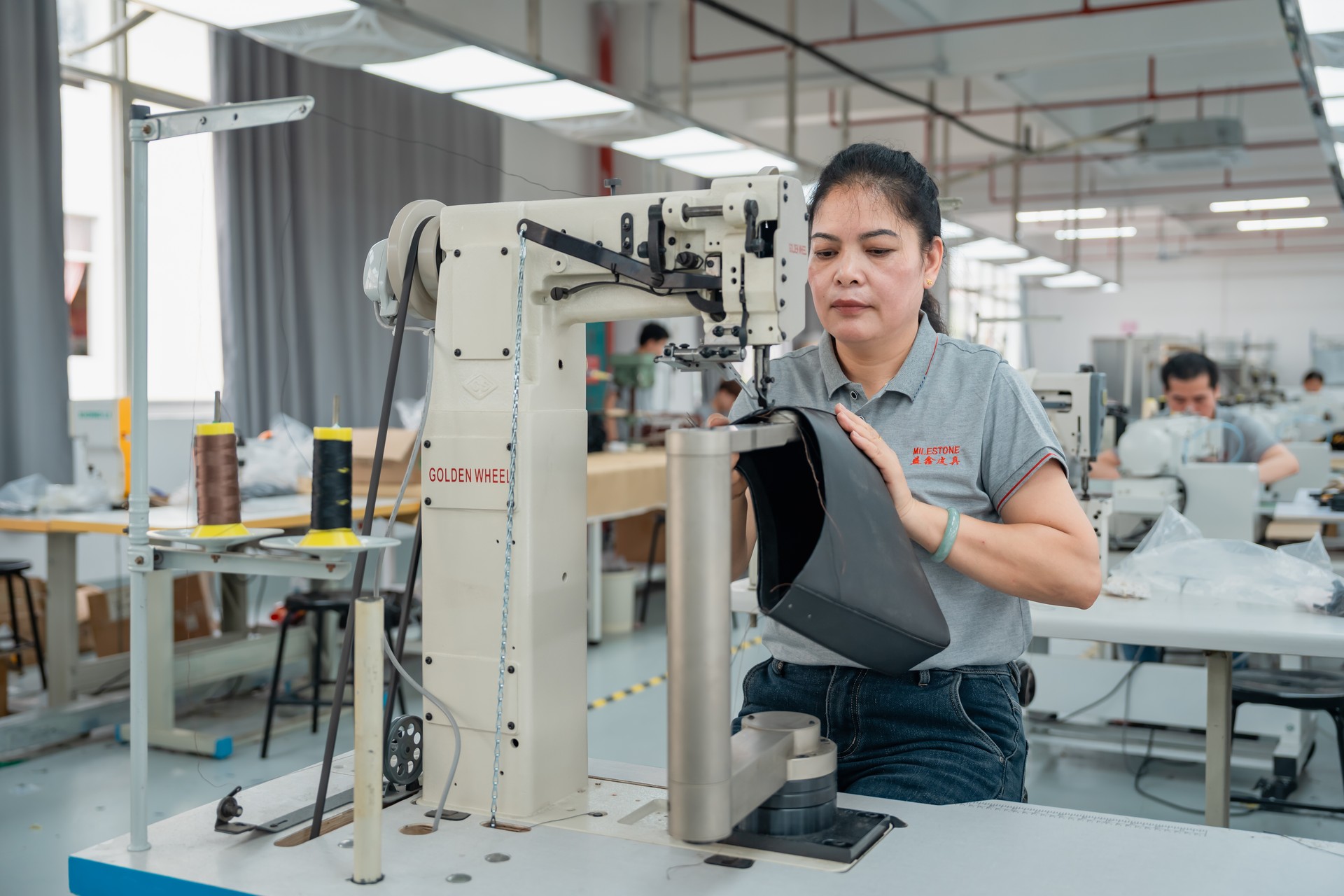
Author: Ethan Publish Time: 2026-02-24 Origin: Milestone

Canvas bags are gaining steady traction across retail and manufacturing, driven by businesses seeking dependable materials that hold up under daily wear while supporting long-term sustainability goals. Many brands that once relied on synthetic fabrics now look to canvas because it feels sturdy in the hand, ages with character, and avoids the environmental burden tied to plastics. The same shift can be seen in related categories, from everyday totes to travel-ready pieces like thoughtfully constructed duffle bags. As demand rises, companies need partners who understand how to work with premium textiles, from fiber selection to final stitching. Milestone brings that craftsmanship forward, offering guidance shaped by years of producing durable, high-quality bags for global markets.
Canvas earned its reputation long before it appeared in storefront displays. Early versions were woven from sturdy hemp and cotton fibers, then adopted for sails, workwear, and military gear because the material could withstand abrasion, shifting weather, and constant load without tearing. Factories and shipping operations favored it for the same reason: it behaved predictably under pressure, a quality that still matters to brands planning long-term product lines rather than short seasonal runs.
As consumer goods evolved, canvas followed. It moved from industrial yards into everyday life, shaped into bags, tents, upholstery, and protective covers. Designers refined it with tighter weaves, cleaner finishes, and blends that balance rigidity and softness. Modern mills can now produce canvas that feels smooth enough for a premium tote yet remains tough enough for daily commuting or wholesale distribution. That dual nature—familiar and rugged—gives businesses a material that meets both aesthetic expectations and practical demands.
The material's endurance also intersects with sustainability goals. Life cycle analysis, described by researchers as a way to understand the energy use and environmental impacts of a product from its first fiber to its final disposal, helps companies compare materials with transparency. Canvas performs well in these evaluations because its structure supports long service life, repairability, and responsible sourcing.
For brands weighing the real value of their bag programs, this heritage matters. Canvas carries a track record of reliability, adapts to modern manufacturing, and aligns with the growing need for products that last. In a market where durability and environmental accountability influence purchasing decisions, its timelessness becomes a strategic asset rather than a nostalgic detail.
Canvas bags earn their reputation through simple physics and reliable construction. The woven cotton fibers grip together when pulled, creating a dense structure that resists stretching and tearing even under uneven weight. This is why a well‑made canvas tote can handle groceries, office gear, or product samples without the sagging seams or cracking surfaces that often limit synthetic alternatives. Over time, the fabric softens in the hand but keeps its backbone, giving businesses and everyday users a carrying option that stands up to repeated loads rather than collapsing after a single rough outing.

Durability matters, yet it's the sustainability story that often convinces both consumers and procurement teams to make the switch. Canvas, especially when sourced from responsibly grown cotton or recycled fiber blends, cuts down on the cycle of disposable bags that pile up in landfills. Each reuse helps sidestep the mountains of thin plastic and low‑grade materials that typically end up as windblown scraps or burned waste. A canvas bag's long lifespan directly reduces replacement frequency, a quiet but meaningful way to shrink environmental impact without demanding any behavioral shift from the end user.
What makes canvas especially valuable in a commercial context is its versatility. The same material that works for a weekend market run can be tailored into branded corporate totes, retail packaging, trade show giveaways, or employee kits. Businesses often appreciate how canvas supports clear printing and detailed artwork, turning a simple accessory into a mobile brand surface that stays in circulation for years. Many companies even explore the broader financial upside through topics such as the practical cost savings behind reusable totes.
Canvas performance varies widely depending on weight and construction, and these distinctions shape how well a bag holds up in demanding environments. Lighter 8–10 oz fabrics suit everyday consumer totes, yet they compress under heavy loads. Mid‑range 12–16 oz canvas offers a firmer handfeel and supports retail, hospitality, and promotional merchandise programs where repeat use matters. Thick 18–24 oz weaves behave differently; the fabric feels almost armor‑like, making it a common choice for industrial supply, tool storage, or rugged outdoor brands. This progression helps explain why canvas outlasts single‑use plastics, especially considering that plastic bags—first invented in 1967 and only popularized in stores in the 1970s—were never designed for long service lives.

Beyond fabric weight, stitching density and reinforcement points dictate longevity. A box‑stitched handle or a bar‑tacked stress zone can prevent the tiny tears that grow under load. In B2B programs where units may cycle through warehouses, delivery routes, or customer reuse schemes, those reinforcements often matter more than the fabric weight itself. When brands pair the right ounce weight with sturdy construction, they gain a bag that performs reliably across years, not months.
Typical canvas weight ranges and recommended uses
| Canvas Weight | Typical Use Case |
|---|---|
| 8–10 oz | Light retail totes, giveaways |
| 12–16 oz | Daily‑use bags, hospitality, branded merchandise |
| 18–24 oz | Industrial, outdoor, heavy‑duty storage |
Canvas bags only begin to show measurable environmental value once they're reused enough times to offset the water and energy that go into producing the fabric. Most studies point to a meaningful break-even point after dozens of trips, though bags built from dense cotton weaves often last so long that the threshold becomes easy to pass in day‑to‑day use. The key is a lifecycle that stretches across years, not months, which is why many retailers and sourcing teams favor canvas over thin single‑use alternatives.
The choice between organic and conventional canvas also carries weight. Organic fibers avoid synthetic pesticides and typically come from farms that rotate crops to preserve soil structure. Conventional cotton, while still durable, tends to carry a heavier resource footprint. For businesses positioning themselves around responsible sourcing, this difference is more than a label; it becomes a part of the brand's credibility.
Weather exposure plays its own part in the environmental story. A well‑woven canvas bag can shrug off light rain, dry quickly, and resist the kind of fraying that sends cheaper materials to landfills. When a bag can survive repeated commutes, market runs, or trunk storage without losing structure, its sustainability claim becomes grounded in real-world performance rather than aspiration.
Hospitality groups and corporate gifting teams rely on canvas for a different reason: consistency. When you hand a guest a welcome kit or send a partner a year‑end gift, the bag must feel sturdy the moment they pinch the handles, and it must hold its structure even after long storage. Many businesses turn to a reliable partner, often a seasoned producer like a trusted China handbag supplier, accessible through resources like this, to ensure dependable supply and uniform quality.
The material also opens up brand‑story opportunities. Large surface areas allow narratives, patterns, and subtle color cues that say something about a company's values, whether that's sustainability, craftsmanship, or a specific product line. When done well, the bag becomes more than packaging; it turns into a quiet, durable reminder of the brand's voice.
Canvas stands apart from plastic in both feel and performance. Where thin plastic stretches, splits, and eventually curls at the edges, tightly woven canvas resists abrasion and keeps its shape even after years of heavy handling. Plastic's low cost can tempt buyers, yet its short life span and landfill impact push many businesses to rethink whether that savings holds up over time. Some teams even review common drawbacks, much like they would when assessing the practical issues noted in discussions around tote bag disadvantages, to judge if plastic aligns with their brand values.

Leather steps into a different category altogether. Its strength and polished grain make it ideal for premium goods or executive gifting, but the material can feel excessive for high-volume promotional programs or outdoor-focused retailers. Canvas offers a middle path: sturdy enough for daily use, lighter in hand, and adaptable across lifestyle and commercial settings.
For businesses weighing their options, the smartest approach is to match the material to the purpose. Define the expected load, frequency of use, and audience, then measure each material's lifespan and environmental cost. This simple framework helps teams avoid overengineering a product—or choosing one that wears out too fast.
Canvas bags continue to offer practical value for modern businesses, especially when durability and sustainability influence buyer decisions as much as style. As product lines evolve, choosing the right material becomes more than a sourcing step; it shapes how a brand feels in someone's hand, whether through a tightly woven canvas panel or a reinforced handle that resists fraying under daily use. Companies weighing their next collection can benefit from a closer look at these long‑lasting fabrics, and those seeking clarity on what fits their market can reach out to Milestone for a focused B2B consultation and fully customized solutions.
Ready to start your custom project?
Expert insights on care, styling, and manufacturing.
Canvas totes are exceptionally durable, specifically designed to withstand substantial weight. Their strong, tightly woven fibers and often reinforced stitching make them highly reliable for heavy grocery hauls, distributing the load effectively without tearing. Understanding tote bag materials reveals how their inherent strength handles substantial loads.
Canvas is an excellent choice for durable, custom small brand merch. Its inherent strength and natural fibers ensure remarkable longevity, resisting daily wear effectively. This translates to extended brand visibility and a perception of quality, offering superb value that resonates with customers seeking lasting products.
Spot treat spills immediately with mild soap and water. Gently dab the affected area, avoiding harsh rubbing which can spread the stain. For overall cleaning, hand wash in cold water with a mild detergent, then reshape and air dry thoroughly. This gentle approach maintains the canvas integrity and appearance.
A canvas shopper often conveys a more premium feel due to its substantial texture and durable construction. This natural aesthetic and robust quality elevate the user experience beyond thinner, synthetic options.
The initial investment in a canvas bag is highly worthwhile. Their exceptional durability means they withstand daily wear and tear for years, significantly reducing the need for frequent replacements. This longevity makes them a truly cost-effective and sustainable choice, providing excellent value over time.