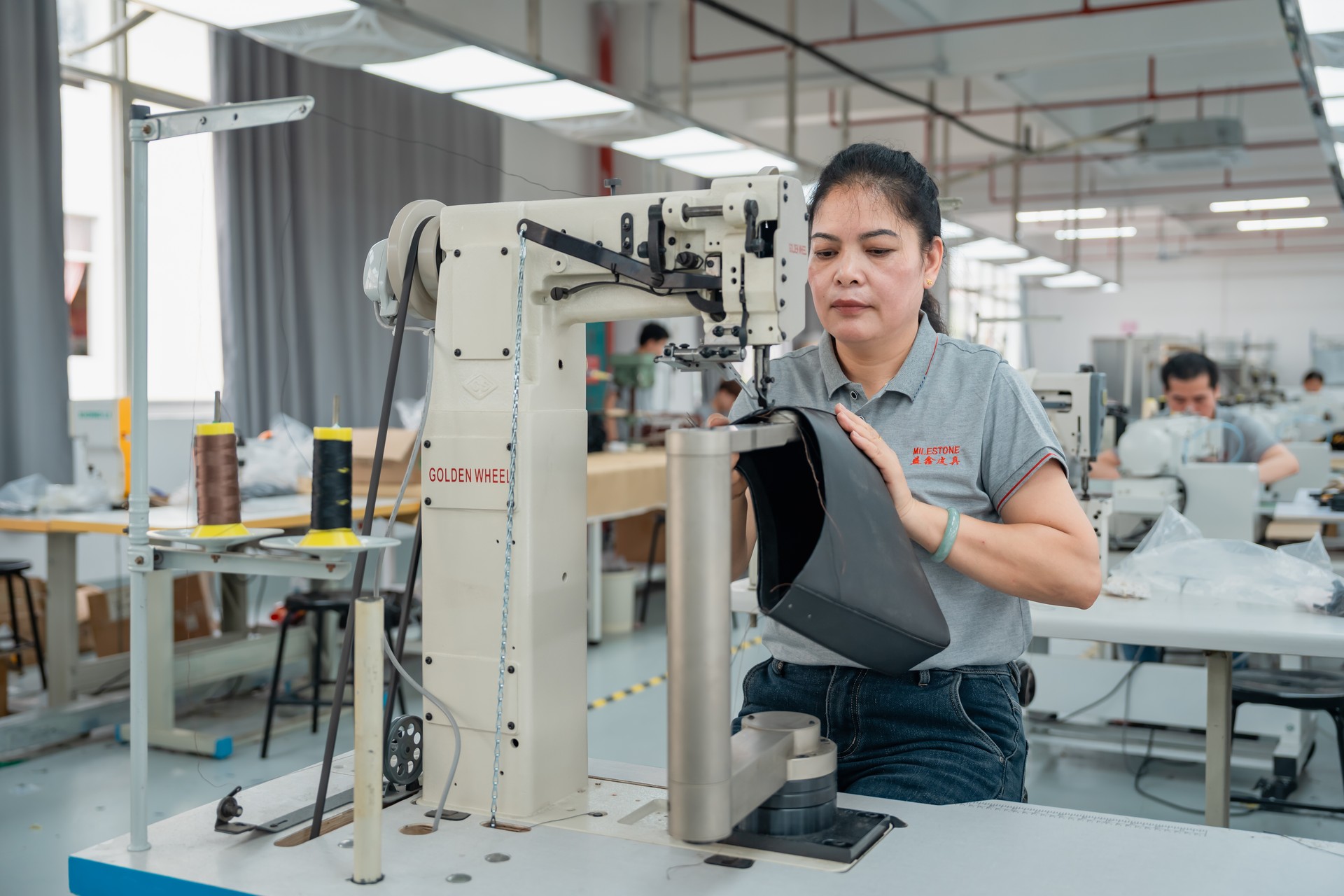
Author: Ethan Publish Time: 2025-12-02 Origin: Milestone Handbag

When you browse handbag guides or shop for a new everyday companion, two styles often spark confusion: satchel bags and hobo bags. At a glance, both can be practical, stylish, and easy to pair with everyday outfits. But once you look closer, their shapes, construction, and the way they behave on the body couldn't be more different. Understanding these differences helps shoppers choose the right bag—and helps buyers, retailers, and designers build a more thoughtful product lineup. In the manufacturing world, we often say that shape tells the story. Structured silhouettes signal purpose and formality, while softer constructions communicate ease. With that idea in mind, let's break down what truly defines each style.
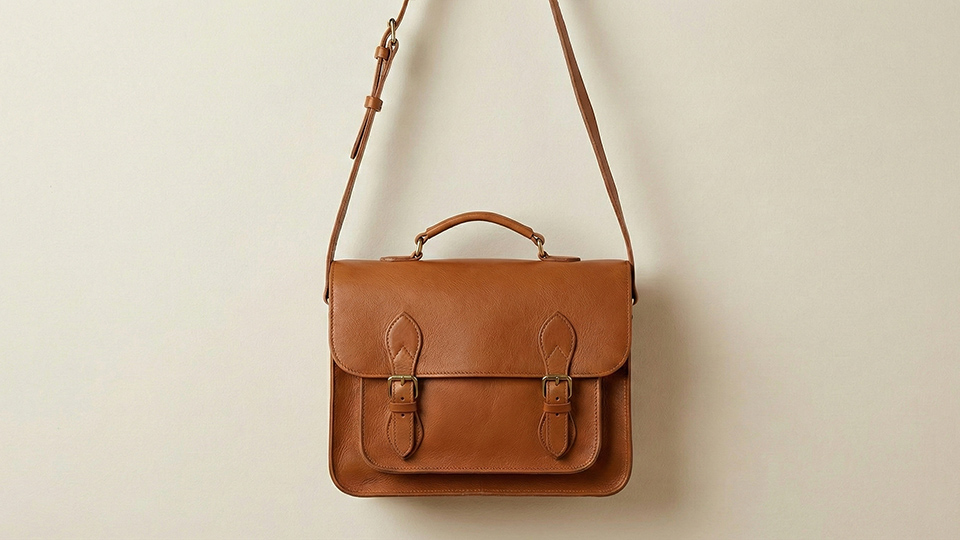
A satchel bag is traditionally known for its structured, rectangular shape and a firm, reinforced base that helps it stand upright. Among classic handbag types, satchels belong to the broader family of shaped & structured bags, which means they rely on a defined silhouette rather than a slouchy or collapsible form.
Most satchels feature a top handle, a long shoulder strap, and a flap or magnetic closure that adds both function and a touch of formality. These details come together to create a bag that feels polished, stable, and ready for everyday use.
Because of their shape and organization, satchel bags naturally fit into commuting, office, business, and academic settings. They look professional without being too stiff, and they carry essentials—tablets, notebooks, small organizers—while keeping everything neatly in place.
In recent years, satchels have evolved beyond their classic proportions. Designers now offer mini satchels, crossbody satchels, and compact versions tailored for modern lifestyles. From a manufacturing perspective, the structure of a satchel requires precise patterning and reinforcement work—something Milestone's team often sees brands prioritize when they want a clean, architectural profile.
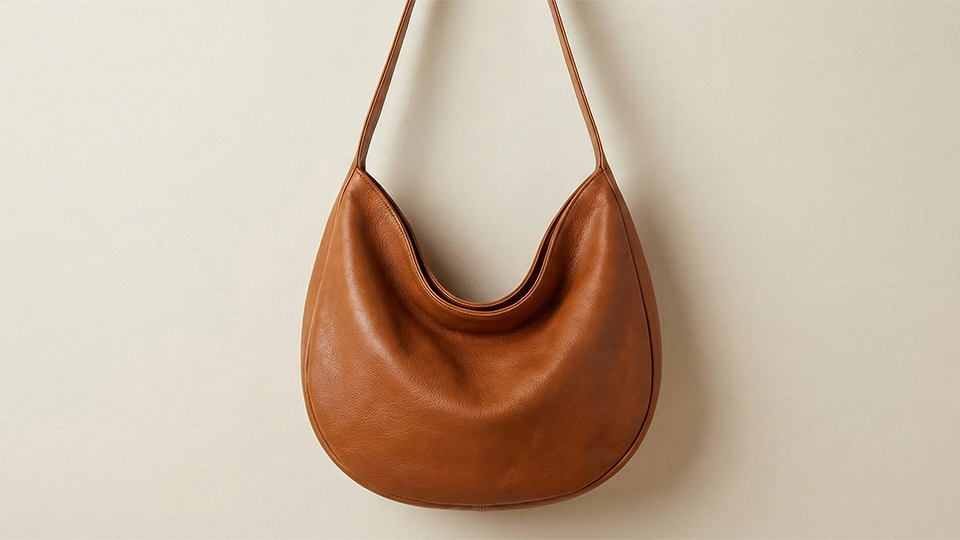
The hobo bag is almost the opposite in personality. Its signature identity lies in a soft, slouchy shape, often forming a crescent-like curve when carried. Unlike the satchel's multiple handles, a hobo typically features one wide shoulder strap, making it easy to throw over the shoulder for instant comfort.
Material plays a major role in defining the hobo silhouette. Soft leather, suede, or other pliable fabrics allow the bag to collapse and mold naturally to the body. This is why a leather hobo bag tends to feel relaxed and effortless—it moves with you rather than against you.
The gentle drape created by its softer construction makes the hobo especially popular in casual styling, streetwear, and the revived Y2K aesthetic. Colors like tan or brown further emphasize its laid-back vibe, giving the bag a warm, approachable look.
Consumers often describe hobos as bags that "don't try too hard." They feel intuitive, unstructured, and easy—qualities that continue to make soft leather hobo bags a staple for those who want practicality without sacrificing style.
Understanding the contrast between satchel bags and hobo bags becomes much easier once you compare them side by side. Their differences show up first in structure, then in how they carry, and finally in how they support different lifestyles. Below is a clear breakdown that applies to both everyday shoppers and buyers curating a product lineup.
A satchel depends on a defined, structured silhouette. It usually features a flat base and a subtly boxy profile, which helps it keep its shape even when it's empty. This gives the satchel its polished and dependable look.
A hobo bag, on the other hand, embraces a soft, slouchy form. The body curves naturally, often forming a gentle crescent when carried. It collapses slightly with movement and molds to the wearer's side, creating a relaxed presence that no structured bag can imitate.
A satchel is built for organization and stability. It often includes multiple compartments, interior pockets, and reinforced panels that protect documents or small electronics. Everything has its place.
A hobo bag favors simplicity and flexible capacity. Most designs use a single, spacious main compartment, which expands naturally as you fill it. It's light, easy, and forgiving—ideal for days when you only need essentials but appreciate the extra room when life gets unpredictable.
Satchels usually support top-handle or crossbody carry. These styles feel structured and professional and keep the bag positioned upright.
Hobo bags lean into shoulder-first carrying. With one soft strap and a supple body, the bag rests comfortably against the torso, making it feel intuitive and effortless during long wear.
The satchel's clean geometry naturally matches office looks, business settings, and polished daily wear. It blends well with tailored pieces and structured outfits.
A hobo bag signals ease and lifestyle comfort. It fits weekend outfits, casual denim looks, and everyday street style.
Satchels benefit from structured materials—firm leather, reinforced linings, and supportive internal frames. These elements preserve the silhouette.
Hobo bags shine when made with soft leather, especially in colors like brown leather hobo bag, classic tan, or deeper autumn tones. The softer the material, the more organic the drape. From a production standpoint—something our team at Milestone often observes—material pliability directly affects how relaxed or sculpted a hobo will appear.
Choosing between a satchel and a hobo bag isn't just about preference—it's about lifestyle, wardrobe needs, and sometimes even your role in the buying chain. Here's a simple guide for both consumers and retailers.
Need a formal or structured option for work? Choose a satchel.
Prefer something lightweight and easygoing? Go with a hobo bag.
Carry documents, tablets, or organized essentials? A satchel offers better structure.
Only bring personal items and want maximum comfort? The hobo wins.
Hobo bags work well as soft-structure SKUs. They allow broad color expansions—tan, burgundy, brown—without losing aesthetic cohesion.
Satchels support the office and professional segments, offering stable year-round demand.
Manufacturing differences matter: satchels require firmer materials, structured linings, and support panels, whereas hobos rely more on leather softness and pattern fluidity.
Seasonal considerations: hobo bags surge in spring/summer, while satchels maintain consistent annual performance.
Even with how familiar these two silhouettes seem, satchel and hobo bags often get reduced to stereotypes. Many shoppers—and even some retailers—carry assumptions that don't hold up once you look closely at modern designs, materials, and craft. Here are the misconceptions we see most often.
Misconception 1: "A hobo bag is always casual or messy." Not true. A leather hobo bag crafted with premium hides can look remarkably polished. The softness remains, but the finish, structure at the base, and careful edge construction elevate the entire profile. As manufacturers, we've seen how a small reinforcement or a cleaner arc in the pattern can shift a hobo from relaxed to refined.
Misconception 2: "A satchel is old-fashioned." This idea lingers because of the satchel's heritage look. But modern design has rewritten the rules. Today, mini satchels and compact crossbody satchels appear in trend-forward collections everywhere. Clean lines stay, but the attitude feels current.
Misconception 3: "Hobo bags aren't professional enough." In reality, the styling depends heavily on color and finish. A deep brown or black hobo—especially in smooth leather—works well in smart casual environments. The soft shape brings approachability, while the material offers sophistication.
Misconception 4: "Satchels are uncomfortable because they're rigid." Structure doesn't have to equal stiffness. When brands use softer leather panels or hybrid reinforcements, the satchel gains comfort without losing shape. We've helped produce versions that retain their frame but flex gently with the body—a small shift that makes a big difference in daily wear.
So, what is the difference between a satchel bag and a hobo bag when you strip away trend cycles and personal preference? The core distinctions come down to feel, form, and function.
A satchel is structured, shaped, and dependable. It stands upright, organizes your essentials, and fits seamlessly into formal or semi-formal settings.
A hobo bag is soft, unstructured, and fluid. It relaxes with movement, adapts to your day, and suits casual or lifestyle dressing.
One offers firm organization, the other offers flexible capacity. One leans formal, the other leans easygoing. Neither is categorically better—they're simply made for different moods, routines, and wardrobes.
In the end, the "right" choice depends on how you live, what you carry, and the style story you want your bag to tell.
For brands and buyers developing a full accessories line, both satchel and hobo silhouettes remain reliable, year-round performers. Their difference in structure—one firm and shaped, the other soft and relaxed—also means your supplier must understand two distinct construction philosophies.
With years of OEM and ODM experience, we support partners in developing soft-structure hobos and rigid satchels with equal precision. Pattern calibration, reinforcement selection, and leather behavior testing all play a key role in getting each silhouette right. Color and material extensions—from tan and burgundy to deeper brown tones—allow collections to scale without redesigning the core pattern.
If you're exploring new SKUs or refining existing ones, you can always reach out to a professional hobo bag manufacturer or handbag manufacturer for development support. A simple conversation often reveals opportunities you didn't know you had.