Author: Ethan Publish Time: 2025-12-01 Origin: Milestone Bag

In fashion, it's easy to inherit assumptions from what we see on social media, celebrity outfits, and premium brand campaigns. Many shoppers today open TikTok or Instagram and encounter leather hobo bags from luxury houses retailing for hundreds or even thousands of dollars. This visibility creates a natural question: "Why are hobo bags so expensive?"
But before we analyze the why, we must address the premise.
The answer is nuanced. A hobo bag—defined by its slouchy curve, soft construction, and single-shoulder design—is not inherently costly to produce. In many FMCG and fast-fashion contexts, it is one of the more accessible bag silhouettes. Yet in the luxury sector, the very same shape can command high pricing.
Understanding this duality requires examining the fashion industry's materials, craftsmanship, branding, market positioning, and consumer psychology.
Why some consumers think hobo bags are expensive:
Luxury brands lead search results and dominate visual platforms with structured leather hobo bags.
Celebrity styling often features high-end versions.
Department stores curate designer hobo silhouettes more often than entry-level ones.
The hobo silhouette resurged in Y2K and modern minimalism, both heavily influenced by designer reissues.
Why the perception is not universally accurate:
Fast-fashion brands sell hobo bags as low as $20–$40.
OEM/ODM bag factories regularly produce private-label hobo bags across all price tiers.
Materials such as canvas, nylon, or microfiber dramatically reduce cost.
Many mid-market brands use synthetic leather or simplified construction to keep pricing moderate.
Conclusion: The idea that hobo bags are "expensive" is rooted more in what is visible in the luxury segment than in the product category itself.
A high-end leather hobo bag is priced according to:
Full-grain or top-grain leather sourcing
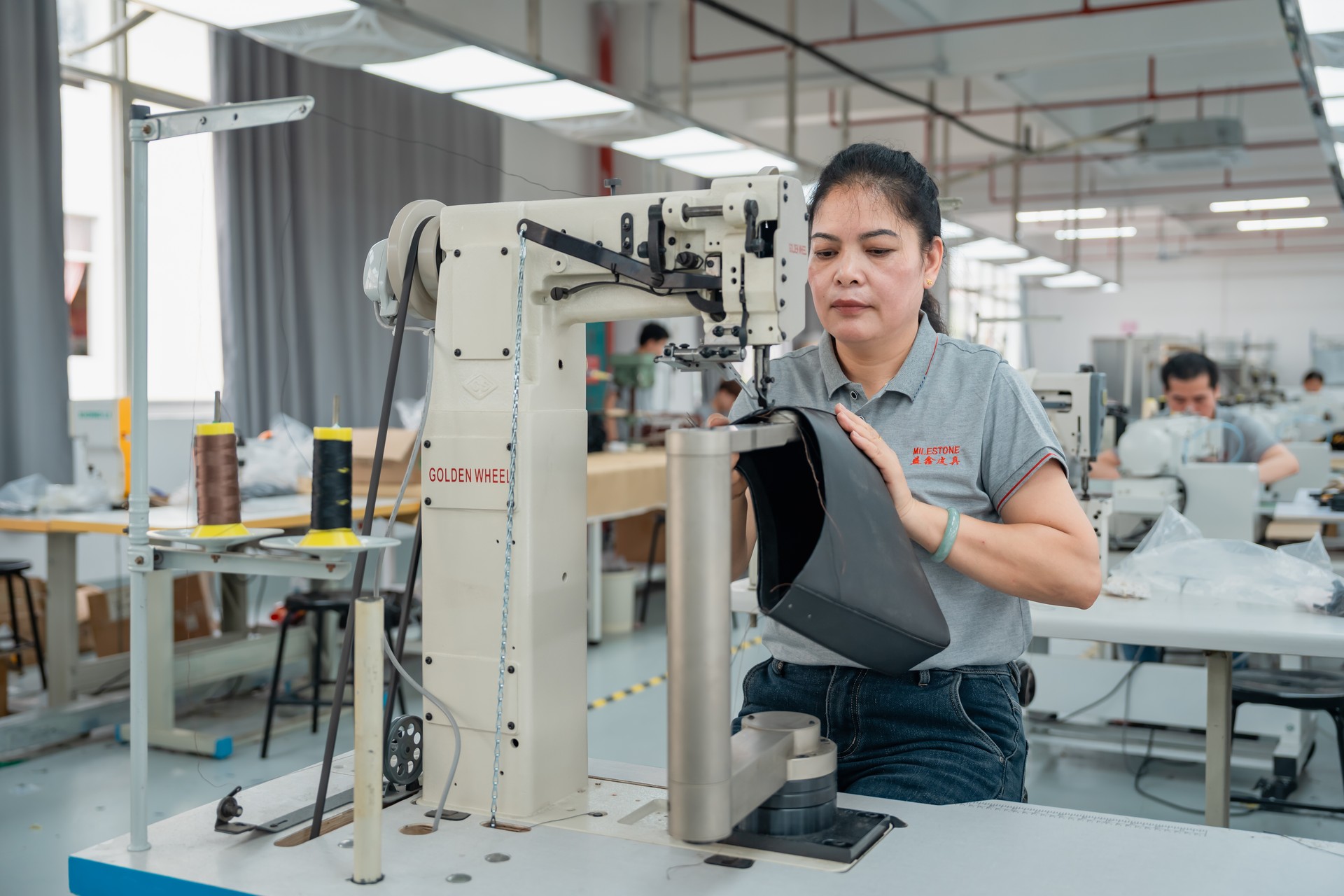
Hand-cut pattern pieces
Difficult curved stitching along the crescent shape
Structural reinforcement that prevents sagging while maintaining a soft drape
The hobo silhouette requires balancing softness with shape retention. High-quality materials and stable linings add cost.
In luxury fashion, pricing rarely reflects cost alone. Instead, it follows:
Perceived exclusivity
Brand storytelling
Heritage value
Demand created by celebrity placements
Controlled production volumes
A minimalist leather hobo bag from a prestige label becomes a symbolic object, not simply a functional accessory.
Some high-end hobo bags feature:
Handpainted edges
Hand-sewn seams
Custom hardware
Small-batch leather tanning
Each artisanal layer adds cost, and luxury brands intentionally maintain this craftsmanship narrative.
With so many variations in quality and construction, knowing how to distinguish authentic luxury hobo bags from replicas becomes essential. Learn the key markers in our guide: How Can You Tell if a Hobo Bag is Real?
In sharp contrast, the same structure can be scaled for high-volume production:
Synthetic leather reduces material cost by 70–90%.
Streamlined patterns reduce labor hours.
Nylon, canvas, or lightweight fabrics eliminate reinforcement costs.
Fast-fashion bag manufacturing cycles reward speed, not craftsmanship.
For private-label brands, the hobo shape is a reliable SKU:
Works in many materials
Easy to resize (mini to oversized)
Broad audience appeal
Low development risk
This is why you can find a hobo bag at nearly every price point—from $20 to $2,000.
Even when affordable options exist, the silhouette can feel expensive due to:
The association between slouchy shapes and soft premium leather
Minimalist fashion trends—often driven by luxury brands
The success of models worn by celebrities (e.g., oversized leather hobo bags)
"Quiet luxury" aesthetics
Consumers often equate "simple but structured" with "luxury," which inflates perceived value.
Certain characteristics elevate perceived cost:
Leather (especially grained, nubuck, or polished lambskin)
Rich tones like tan, brown and deep neutrals
Gold-tone hardware
Soft silhouettes that require precise pattern engineering
The smoother the drape, the more "luxury" the hobo bag appears, increasing willingness to pay.
The category itself isn't inherently premium, but the version most prominently marketed to consumers is.
In reality, pricing splits into three segments:
Luxury Hobo Bags ($500–$3,000+)
Premium leather
Handcrafting
Brand equity
High marketing cost
Mid-Tier / Contemporary Brands ($80–$300)
Mixed leather qualities
Industrial production
Balanced cost-performance
FMCG / Fast Fashion ($15–$60)
Synthetic materials
Mass production
Trend-driven pricing
The question "Why are hobo bags so expensive?" actually reflects luxury visibility, not universal truth.
Understanding the pricing spectrum helps businesses:
Position SKUs according to target markets
Build tiered product lines (canvas → PU → leather)
Use the hobo silhouette as a low-risk commercial shape
Benefit from consistent year-round demand
High-end or affordable, the hobo bag remains a commercially safe, consumer-friendly, and design-flexible silhouette.
Hobo bags appear expensive because the fashion industry's most visible examples are luxury pieces. Yet the silhouette itself is one of the most versatile, scalable, and price-flexible categories in handbag manufacturing.
The better question isn't "Why are they expensive?" but rather: "Which hobo bag segment are we talking about—and what drives its value?"
At Milestone Handbag, we support brands seeking reliable, scalable production across both trend-driven and premium categories. As an experienced hobo bag manufacturer, we offer full OEM/ODM development—from material sourcing to pattern engineering and mass production. Whether you need a structured leather hobo bag line or small-batch testing for a new silhouette, our team provides consistent craftsmanship as a seasoned luxury bag manufacturer.
Start your custom development today: