Author: Ethan Publish Time: 2025-11-28 Origin: Milestone Bag
The name "hobo bag" draws from early 20th-century imagery, where traveling workers—often referred to as hobos—carried their belongings tied inside a loose cloth sack slung over the shoulder. This rounded, slouchy shape created a familiar silhouette: soft, crescent-like, and naturally collapsing under its own weight. Modern fashion designers later adopted this visual reference to describe a similar crescent silhouette in handbags, leading many readers today to ask, Why is it called a hobo bag?
Although the term originated from a specific historical context, it is not used in a negative way within fashion. Instead, it highlights a distinctive soft structure and relaxed carry style. Over time, the name became a practical descriptor used by consumers, retailers, and even product developers to quickly identify this signature slouchy shape across collections.
A modern hobo bag is recognized by its curved top line, elongated shoulder strap, and flexible body that conforms naturally to the wearer. While designers vary the proportions, most silhouettes follow the same crescent curve, giving the style its relaxed identity. Materials also influence the look: a leather hobo bag holds a slightly more structured profile, while softer grains or suede create a deeper slouch and a more casual feel.
Today's sizes range widely—from compact mini versions to roomy oversized options—making the shape versatile for everyday wear. In many stores, hobos appear alongside shoulder bags, slouchy bags, or crescent bags because they share overlapping features, though the hobo remains defined by its softness and gentle downward drape.
A soft, collapsible body
A long shoulder strap for relaxed carry
A wide opening that increases usability
A curved, crescent-inspired upper line
Optional accent colors such as brown or burgundy may reinforce the style's casual warmth, especially in seasonal collections.
Because many curved or soft bags share overlapping silhouettes, shoppers often mix up a hobo bag with other styles. A bucket bag stands upright with a vertical, structured build, making it visually firmer and less relaxed than a hobo's crescent curve. A shoulder tote also differs—its frame is typically straight and stable, lacking the natural slouch that defines a hobo. Meanwhile, a crescent bag is usually smaller and more structured, offering a firmer outline even though the shape arcs similarly.
These similarities cause confusion, especially when brands introduce hybrid models with softer edges or minimalist detailing. A slouchy shoulder bag might look close to a casual hobo style, but the internal construction often changes how the bag collapses or holds weight. Details like seam placement, bottom width, and strap drop all influence whether the final look leans more structured or more relaxed.
Bag Type | Purpose | Structure | Carry Style |
Hobo Bag | Everyday, relaxed use | Soft, slouchy, crescent shape | Shoulder or cross-shoulder |
Bucket Bag | Utility, vertical storage | Tall and structured | Shoulder or hand-carry |
Shoulder Tote | Work or shopping | Firm, wide frame | Shoulder carry |
Crescent Bag | Compact essentials | Small, semi-structured | Under-arm shoulder |
The material used in a hobo bag plays a major role in how the silhouette forms, which is why certain constructions are more closely linked to the style name. Smooth leather offers a gentle drape that keeps the curve soft but controlled, while suede collapses more deeply, creating the classic slouch associated with hobo designs. In contrast, canvas tends to hold a bit more shape, giving the bag a lighter, casual look without losing flexibility. These material differences influence how consumers visually recognize the style, especially when browsing large SKU assortments.
Color trends also shape naming behavior. Earth tones such as tan, brown, or burgundy have long dominated the category because they enhance the relaxed feel of the silhouette. A brown hobo bag, for example, easily aligns with the natural, effortless character the style is known for. In e-commerce menus, these combinations of material and color categories subtly guide shoppers' search expectations and reinforce the terminology across seasons.
Despite evolving trends and modern rebranding efforts, most labels continue using the term because it performs reliably in search and merchandising. The keyword has maintained stable demand over time, which makes it highly practical for SEO and product discovery—especially when shoppers already know they're looking for a women's hobo bag rather than a general shoulder bag. This familiarity lowers cognitive effort for consumers and streamlines the browsing process.
Retailers also benefit from clear categorization. "Hobo bag" instantly conveys a soft structure and relaxed curve, helping buyers differentiate it from totes, buckets, or structured shoulder bags without long descriptions. At the same time, the term carries both nostalgic appeal and contemporary relevance, allowing brands to position the style within vintage-inspired collections or minimal, modern edits. This versatility keeps the name functional not only for marketing but also for long-term inventory organization and product storytelling.
For brands developing new collections, naming consistency is important because it helps align product listings with the actual structure of the design. The hobo silhouette is one of the most adaptable soft-structure categories in OEM and private-label production; it supports multiple materials, drop heights, and exterior finishes without losing its familiar curved profile. This makes the style a reliable base for seasonal updates or quick-to-market testing.
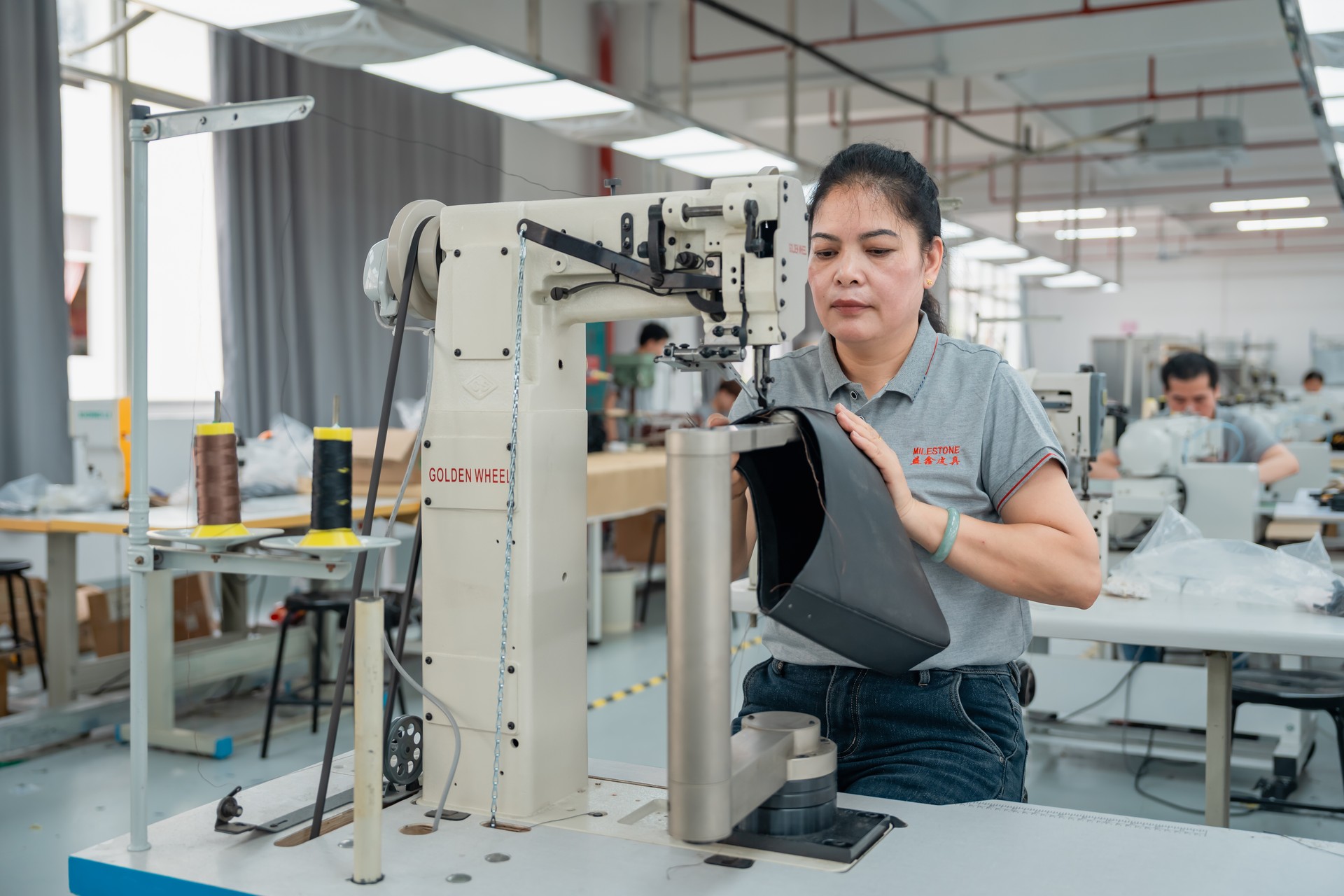
Since the pattern is stable and the construction well understood across factories, brands can request variations in size, from compact daily styles to larger carry-alls, while maintaining predictable production timelines. Color extensions—from neutrals to occasional trend tones—can be added without altering the base mold. For retailers and emerging labels alike, partnering with an experienced hobo bag manufacturer helps secure smoother development cycles and reduces the uncertainty that often comes with launching new soft-structure SKUs.
In essence, the name comes from the bag's signature slouch and curved outline—features that visually echo the simple, soft bundles once carried by travelers. Over time, this practical shape evolved into a modern fashion staple, retaining its relaxed appeal while gaining new materials and refined finishes. Today, the style remains popular because it is easy to wear, versatile, and commercially stable. And that is why is it called a hobo bag?