Author: Ethan Publish Time: 2026-11-13 Origin: Milestone

Choosing the right backpack balances trail ergonomics with long-term material durability.
IN THIS ARTICLE
Two miles into a steep ascent, a poorly engineered hip belt stops feeling like a minor inconvenience and starts feeling like a physical punishment. Raw skin, aching shoulders, and a shifting center of gravity can turn even the most anticipated weekend trek into an endurance test of pure misery.
Behind every reliable trail pack lies a precise intersection of advanced trail ergonomics and strict manufacturing standards. Whether you are prepping for an alpine expedition or sourcing a durable line for the outdoor retail market, understanding how a pack actually performs under pressure changes everything.
Ultimately, choosing or building the right gear comes down to three non-negotiable pillars: a precision fit, intelligent capacity distribution, and unwavering material integrity. Let us break down what separates a pack that fails on day one from one that lasts a decade.
Built for rapid movement, these compact carriers focus strictly on essentials like hydration bladders, lightweight shell jackets, and trail snacks. Their low-profile frames hug the torso closely, preventing annoying shifts when scrambling over rocks or navigating crowded urban commutes. For both weekend hikers and daily urban commuters, this capacity hits the sweet spot between minimalism and utility. If you are designing products for this segment, understanding the structural demands requires looking closely at A Manufacturer S Sight What Is The Standard Backpack Size, ensuring load distribution remains comfortable even without a rigid internal frame.
When the itinerary stretches from a simple afternoon walk to one or two nights under the stars, volume needs to scale up accordingly. Weekend packs provide the crucial mid-range capacity required to house compact sleeping bags, lightweight tents, and camp stoves without compromising your center of gravity. Load-transferring hip belts become non-negotiable here, shifting weight away from the shoulders and directly onto the hips to prevent fatigue over longer mileage. Designers balancing durability with weight savings often rely on high-tenacity nylon fabrics to withstand rough granite encounters.
Tackling remote, multi-week backcountry routes demands serious hauling capacity. These heavy-duty workhorses are engineered to swallow bulky winter gear, multi-day rations, and specialized technical equipment while maintaining structural integrity under loads exceeding forty pounds. A robust internal aluminum stay system, coupled with heavily padded, fully adjustable lumbar support, is standard issue in this class. Whether an end-user is thru-hiking a continental divide or exploring rugged mountain ranges abroad, the engineering behind an expedition pack must prioritize ergonomic resilience above all else.
Finding the right pack isn't about guessing your shirt size. It starts with locating the C7 vertebra—that prominent bump at the base of your neck when you tilt your head down—and measuring straight down the spine to the level of your iliac crest, which is the hard shelf of your hip bones. This exact vertical distance determines your frame size, bridging the gap between a pack that rides comfortably and one that misplaces the load entirely.
When evaluating gear, retailers and outdoor enthusiasts must weigh fixed-length frames against adjustable suspension systems. Fixed frames offer a lighter weight profile and absolute structural rigidity, making them ideal for thru-hikers who have dialed in their exact dimensions. On the flip side, adjustable harnesses feature sliding hook-and-loop panels that accommodate growing hikers or fluctuating seasonal layers, proving invaluable for multi-user rental fleets and retail inventories.
Getting this measurement wrong does more than just cause discomfort on the trail. A pack that is too long will constantly bounce against the back of your helmet and pull your shoulders backward, while an undersized frame forces the hip belt too high, dumping heavy loads directly onto your lumbar spine and thoracic muscles. This misalignment leads to rapid lower back fatigue and shoulder strain, ruining an otherwise pristine wilderness excursion.
Torso Length to Backpack Size Conversion Chart
| Torso Measurement | Corresponding Backpack Size | Best Suited For |
|---|---|---|
| Under 15 inches | Extra Small (XS) | Youth, compact frames |
| 15 – 17 inches | Small (S) | Petite adults, shorter torsos |
| 18 – 20 inches | Medium (M) | Average adult sizing |
| 21 inches and above | Large / Tall (L/XL) | Taller hikers with long spines |
Modern trail engineering demands a delicate balance between sheer tensile strength and uncompromising weight management. When designing technical packs, we rely heavily on modern technical synthetics like high-tenacity Ripstop nylon and heavy-duty Cordura. These woven powerhouses resist abrasion and shrug off jagged granite faces. However, high-stress stress points—such as hauling loops and lumbar attachment zones—demand a completely different material vocabulary. This is where the structural and aesthetic advantages of premium leather accents come into play, offering a supple yet practically indestructible anchor that bridges industrial utility with timeless craftsmanship. If you are examining how these external zones integrate with the broader frame, understanding The Complete Guide To The Parts Of A Backpack Construction Explained reveals why strategic material zoning dictates overall pack longevity.
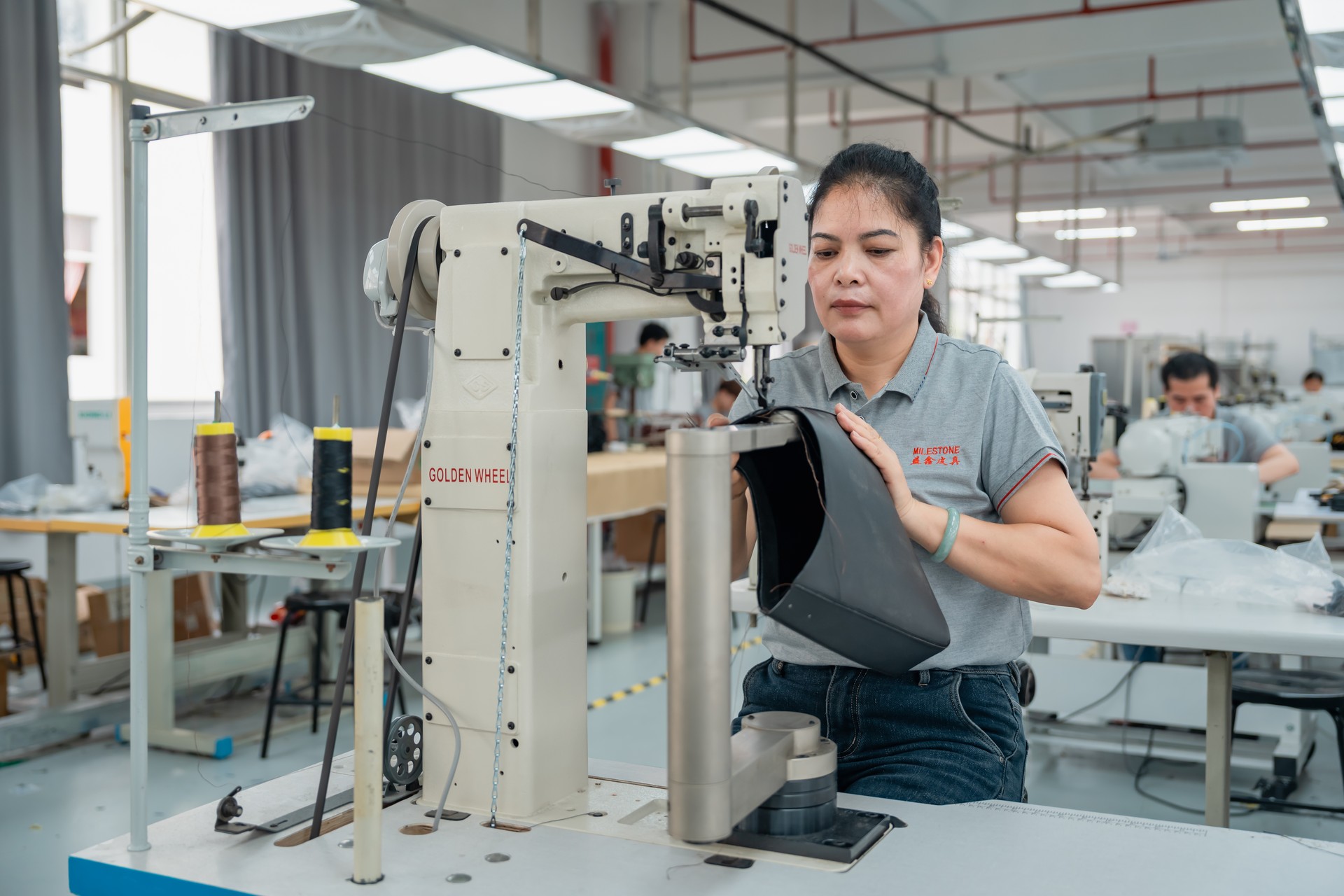
Our manufacturing approach to long-term weather resistance moves far beyond basic surface treatments. We utilize precision-waxed canvases and polyurethane-coated nylon shells paired with sealed seam architecture to lock out relentless downpours. Leather components undergo specialized tanning processes to resist moisture absorption, ensuring they never stiffen, crack, or rot when exposed to freeze-thaw cycles on alpine ascents. By merging aerospace-grade synthetics with time-tested heritage hides, we construct load-bearing gear engineered to endure decades of brutal trail abuse while maintaining a distinguished aesthetic profile.
A properly fitted pack transforms the entire carrying experience. Securing your gear relies on a precise, bottom-up sequence that shifts eighty percent of the weight directly onto the skeletal structure of your hips.
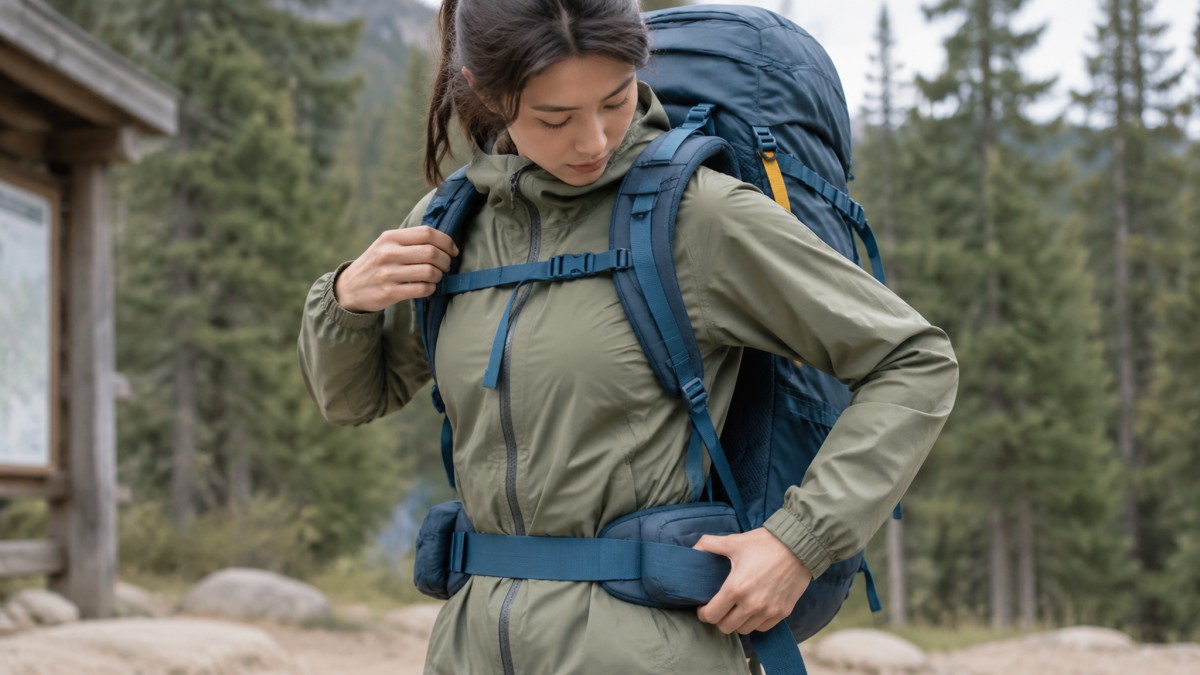
Follow a sequential fitting process starting from the hip belt up to the load lifters.
Start by loosening every strap. Buckle the hip belt first, centering the padded wings over your iliac crests so the bulk of the load rests squarely on your pelvic bones rather than hanging from your soft tissue. Next, pull down and back on the shoulder strap tails. They should gently hug the contours of your torso without pulling the hip belt upward. Finally, reach for the load lifters, cinching them at a 45-degree angle to draw the pack body firmly against your upper back.
Once the primary anchor points are dialed in, adjust the sternum strap so it sits roughly one inch below your collarbones. This minor addition prevents the shoulder straps from sliding outward while still allowing your lungs to expand fully during steep ascents.
For retail buyers and commercial sourcing teams, evaluating how a pack handles these repeated adjustments is a crucial quality metric. Strap tension testing reveals whether the webbing slips under heavy loads, while hardware durability—specifically the impact resistance of buckles and ladder locks—determines if a design will survive thousands of trail cycles. When manufacturers spec high-grade aluminum or reinforced acetal plastic, end-users enjoy gear that maintains its precise fit trip after trip.
Choosing the ideal hiking backpack ultimately requires balancing ergonomic precision with relentless material durability. Whether you are outfitting retail shelves with dependable outdoor gear or prototyping a proprietary line for your brand, sweating the details matters. Never skip real-world weight testing before committing to bulk production; load up candidate frames with actual gear and log the miles to expose subtle structural flaws.
Ready to bring your blueprint to life? Partner with us for custom manufacturing solutions tailored to your exact specifications. From rugged cordura to advanced ripstop nylon, our team transforms technical concepts into market-ready packs that hikers trust on the toughest trails.
Ready to start your custom project?
Expert insights on care, styling, and manufacturing.
Aim for 30 to 50 liters for a standard two-day weekend excursion. This capacity comfortably accommodates a tent, sleeping bag, pad, food, and layers without overpacking. Choose the lower end of this range if you use ultralight gear, or scale up toward 50 liters if you are carrying bulky traditional equipment or supplies for variable weather.
Women-specific hiking backpacks are essential for petite frames. They feature shorter torso lengths, narrower shoulder harnesses, and hip belts contoured specifically for female anatomy. This targeted design prevents chafing, improves load distribution, and ensures the pack transfers weight properly to your hips rather than straining your shoulders.
Exceeding twenty-five pounds generally makes ultralight frameless packs uncomfortably saggy. Without a rigid internal frame to transfer weight to your hips, heavy gear forces your shoulders and upper back to bear the brunt. If you regularly carry loads above this threshold, opt for a structured pack to prevent severe fatigue on long trails.
Load the pack with 15 to 20 pounds of gear and secure all straps to simulate a real trail experience. Measure your torso length from your C7 vertebra to your iliac crest to ensure the hip belt sits squarely on your hips without digging in.
Investing in fully waterproof materials is rarely necessary for most day hikers. Instead, prioritize a durable, water-resistant pack and pair it with a pack cover or line the interior with a lightweight trash bag. This budget-friendly combination keeps your gear completely dry during sudden downpours without inflating your equipment costs.