Author: Ethan Publish Time: 2026-01-08 Origin: Milestone

Belts are often underestimated, seen merely as functional items meant only to hold up pants. But what are belts beyond this simple task? They have evolved into essential fashion statements and key indicators of personal style. A well-chosen belt signals a commitment to quality and attention to detail.
This article explores the comprehensive world of belts. We will uncover their rich historical significance, intricate components, and superior materials. We also cover the fine craftsmanship involved and how to choose an enduring piece. Our goal is to deepen understanding beyond the superficial, guiding both consumers and businesses toward appreciating true high-quality belts.
Belts started as simple tools in ancient times. Early humans used them for carrying essential items like tools or weapons, and to keep clothing secure. Soon, belts evolved beyond mere utility. They became powerful symbols of status, military rank, and even religious devotion across many cultures. They showed a person's importance. In recent centuries, belts transformed again. They moved from a practical necessity to a key fashion accessory, constantly adapting to new styles and societal trends. Today, a belt is both a functional item and a statement piece.
A high-quality belt is more than an accessory. It shows thoughtful design. Knowing its parts helps you appreciate true craftsmanship. The basic belt anatomy includes the strap, the buckle, and the keeper (or loop).
The strap reveals quality. A single piece of full-grain leather offers great durability. Other leather belt types use layered construction. Strong stitching and polished edge finishing (painted, folded, or burnished) mark a well-made strap. Keepers hold the strap's end: fixed near the buckle, or floating for movement. Some belts have double keepers for extra security. The tip design (pointed, rounded, or squared) influences the belt's formality.
Buckles are both functional and decorative. The frame buckle is a versatile classic, often for dress belts. Plate buckles offer a decorative, sometimes interchangeable front. For a clean look, choose a box-frame buckle. A roller buckle protects the strap, good for heavy use. Modern quick-release buckles provide speed and a contemporary feel. Each type suits different belt styles and occasions.
Belts get their strength and style from their materials. The best full-grain leather belts come from the top layer of the hide. These are incredibly durable and develop a rich patina over time. Top-grain leather is also strong, although its surface has been corrected. Genuine leather is a lower quality option, often made from multiple layers bonded together. Bonded leather, the least durable, uses scraps. Full-grain leather stands out because it lasts a long time and looks better with age. It is a true investment. Besides leather, high-quality belts can use exotic leathers like alligator, soft suede, sturdy canvas, or practical synthetics. Each material suits different needs.
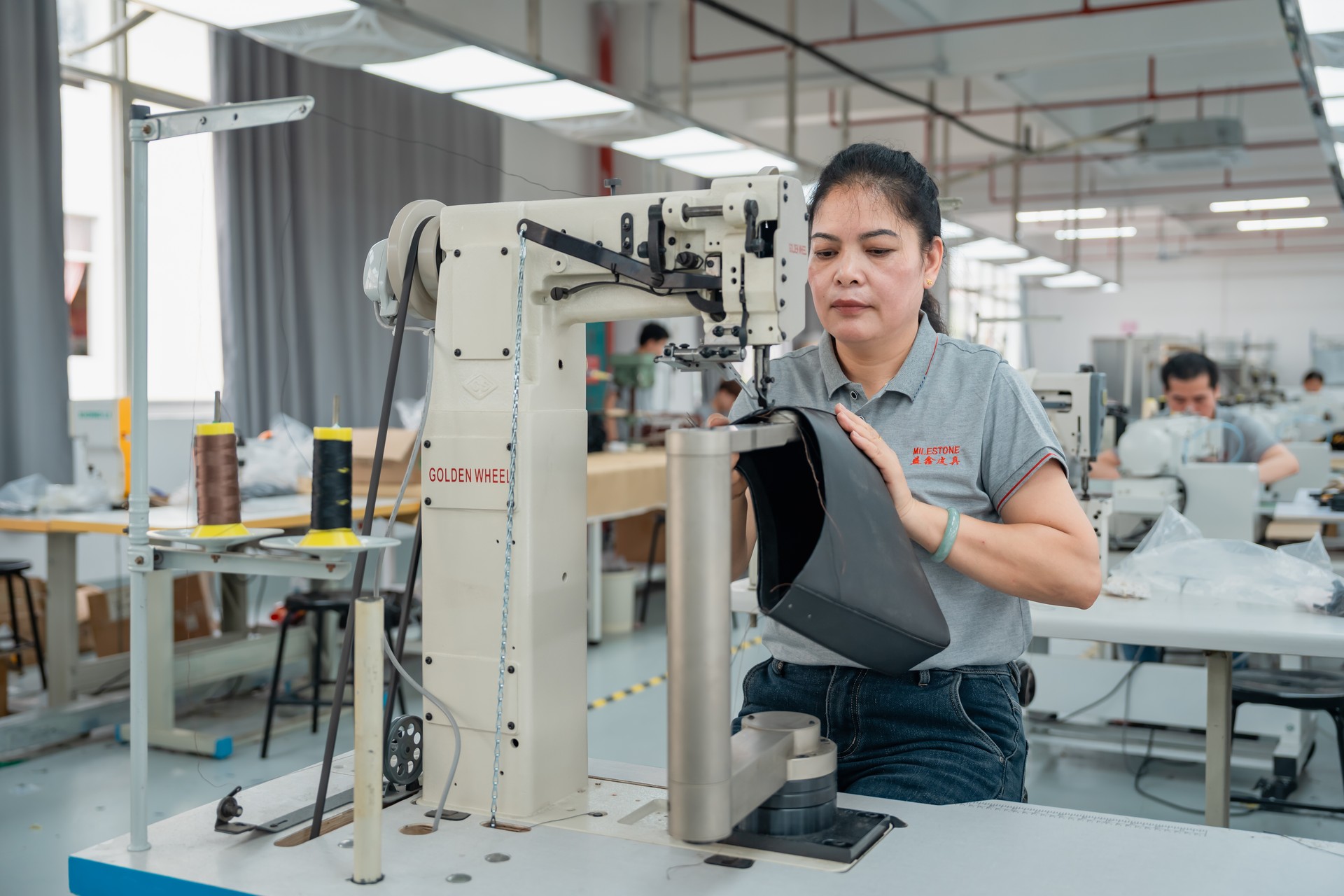
Leather begins its journey with expert tanning. Vegetable tanning uses natural materials, creating durable, rich leather that ages beautifully. Chrome tanning, a quicker process, yields a softer, more flexible leather. Artisans then perform precision cutting, which ensures the belt's strength and a flawless aesthetic. For superior durability, hand-stitching, like saddle stitching, offers unmatched strength and an artisanal appeal. Machine stitching provides efficiency but lacks this unique character. Finally, edge finishing techniques such as burnishing, painting, or folding seal the edges, preventing fraying and completing the belt’s refined look.
Knowing the various leather belt types is key to completing any outfit. Dress belts work best for formal or business attire. They are narrow, crafted from fine leather, and feature polished buckles. For daily wear, casual belts offer more width. They often feature textured leather or canvas, with robust or decorative buckles. Braided and woven belts provide flexibility and a relaxed aesthetic, fitting perfectly into smart-casual looks. Additionally, specialty belts serve specific functions, like workwear, prioritizing durability and unique fastening mechanisms.
Mastering how to choose a belt begins with size. Your belt should measure 1-2 inches longer than your waist or pant size. This ensures it fastens perfectly at the middle hole for an ideal fit. Consider belt width carefully, too. Opt for narrower belts with dress pants. Choose wider styles when wearing jeans. Traditionally, your belt color should match your shoes. Yet, modern styling allows for complementary tones or contrasting textures. Belts can define your waistline, add a vibrant pop of color, or simply complete an outfit with a polished touch. A well-selected belt brings your whole look together.
To keep your high-quality belts looking their best, a little care goes a long way. Gently wipe away dirt with a soft cloth. Use specific leather cleaners for tougher stains. Regular conditioning prevents leather from drying out and cracking, which extends its life. Store belts properly, either hanging or loosely rolled, to maintain their shape and avoid damage. Always prevent over-tightening your belt and keep it away from extreme heat or moisture, as these can cause lasting harm. Good habits ensure lasting beauty.
Choosing a belt goes beyond just looks. It’s an investment. A high-quality full-grain leather belt lasts for decades, offering incredible long-term value. This mindful purchase reduces waste, supporting true sustainability. When you understand how to choose a belt, you also support ethical sourcing and skilled craftsmanship. Your decision champions traditional skills and responsible practices, making it a purchase you can truly feel good about for years to come.
Avoid common belt blunders. Wearing the wrong size is a frequent issue. Belts that are too long dangle, while those too short won't fasten properly. Never pair a casual belt with formal attire, or vice versa, as it creates a mismatched look. Neglecting proper care also damages your belt, causing cracking and dullness. Finally, choosing cheap, synthetic options means they quickly fall apart. Invest in quality for lasting style.
Belts are more than functional. They make statements of style, quality, and personal values. View them as essential elements of a well-curated wardrobe, showcasing enduring craftsmanship. For businesses seeking to offer their clientele exceptional, handcrafted premium leather goods, Milestone delivers unparalleled quality and artisanal detail. Contact us to develop your new leather belt collection!