Author: Ethan Publish Time: 2026-01-08 Origin: Milestone

Although the question, "What do Americans call backpacks?" seems simple, the answer reveals a surprisingly rich array of terms. While "backpack" is the most common name, other words still echo in American English. You might hear bookbag for school bags, or pack for outdoor gear. Older terms like rucksack and knapsack also appear, which can be confusing.
This article will explore not only what Americans call these bags, but also why. We will look at nuances of usage, regional preferences, and historical influences. We will even see how high-end design trends subtly impact the names we choose for our backpacks.
Across the United States, the term 'backpack' is not just common; it's the most widely understood word for a bag carried on one's back. This essential item is incredibly versatile, fitting into almost every aspect of American life. Students rely on backpacks for school, hikers trust them on trails, and travelers pack them for adventures. They are also perfect for daily commutes, carrying gym clothes, or even making a fashion statement.
The rise of the modern backpack gained significant momentum after World War II. It quickly transformed into the general-purpose bag of choice, effectively displacing older, more specialized terms and designs. This shift made the backpack an indispensable part of everyday culture. If you ask for 'a bag for your back' in America, nearly everyone will point to a backpack. It has become the undisputed default for carrying essentials, a true American staple.
In American English, the term bookbag often brings to mind younger students, typically those in elementary or middle school. It usually describes a simpler, less structured bag, perfect for carrying a few textbooks and lunch. When people use bookbag, they usually talk about school use specifically. In contrast, a school backpack feels more formal. High school and college students often use this term, which suggests a bag with more features. Think laptop sleeves, organizational pockets, and durable designs ready for heavier loads. This distinction highlights how our language adapts to different needs, even within the same educational setting.
When Americans shorten backpack to just pack, they usually mean a bag for outdoor adventures. Terms like daypack or camping pack instantly suggest utility and ruggedness. These are bags built for trails, not textbooks, ideal for someone on a hike or for backpack and travel experiences in nature. On the other hand, the word haversack is a relic from the past. Historically, soldiers and early explorers carried haversacks. Today, you will almost never hear it in modern American conversation, unless it is part of a historical reenactment or refers to very niche, vintage-style outdoor gear.
While backpack dominates most of the US, some regional terms persist. Older generations, especially in rural areas like the Northeast or Appalachia, might still occasionally say knapsack or packsack. These words often describe simpler, sometimes drawstring-style bags. Generally, backpack is the go-to term in urban and suburban environments. However, pack remains strong in outdoor-focused rural regions, where its utility is paramount. Meanwhile, bookbag holds its strong connection to educational settings across the entire country, regardless of location.
In the early 20th century, terms like knapsack and haversack were common in America. These bags often suggested military use or life on the frontier. After the World Wars, outdoor recreation boomed across the country. This growing interest, combined with new mass production methods, helped the term backpack become widely known. American brands such as Gerry Outdoors and Kelty were pivotal. They designed lighter, more functional backpacks for civilians, truly shaping the market.
The word rucksack has German roots. It found its way into American English mostly through military contexts during WWI and WWII. Later, outdoor sports also helped popularize it. A rucksack often means a strong, top-loading bag, typically with a frame. However, American brands used clever marketing and product design. They cemented "backpack" as the dominant term, often using it as an umbrella term for nearly all back-carrying bags. This solidified its place in American language.
It's easy to mix up the terms backpack, rucksack, and knapsack. While many people use them interchangeably, these words traditionally describe bags with distinct characteristics. Understanding these differences can help you choose the right bag for any need.
A backpack is the most common and versatile term in American English. It describes bags for everyday use, school, travel, or light hiking. Backpacks often feature zippers, multiple compartments, and come in many modern styles. In contrast, a rucksack usually implies a more rugged, heavy-duty bag. These are often top-loading with drawstrings or flaps, built for serious hiking, camping, or military use. Think of a rucksack as a robust type of backpack, often with an external or internal frame for support.
The knapsack is a simpler, often historical term. It describes a smaller, soft-sided bag, typically with a drawstring closure and a flap. Knapsacks were common for simple day-use or carrying provisions. In the US, "backpack" is the broad term covering almost any bag worn on the back. A rucksack is a specific, durable kind of backpack, and a knapsack is largely a word from the past, or it refers to a very basic, soft bag.
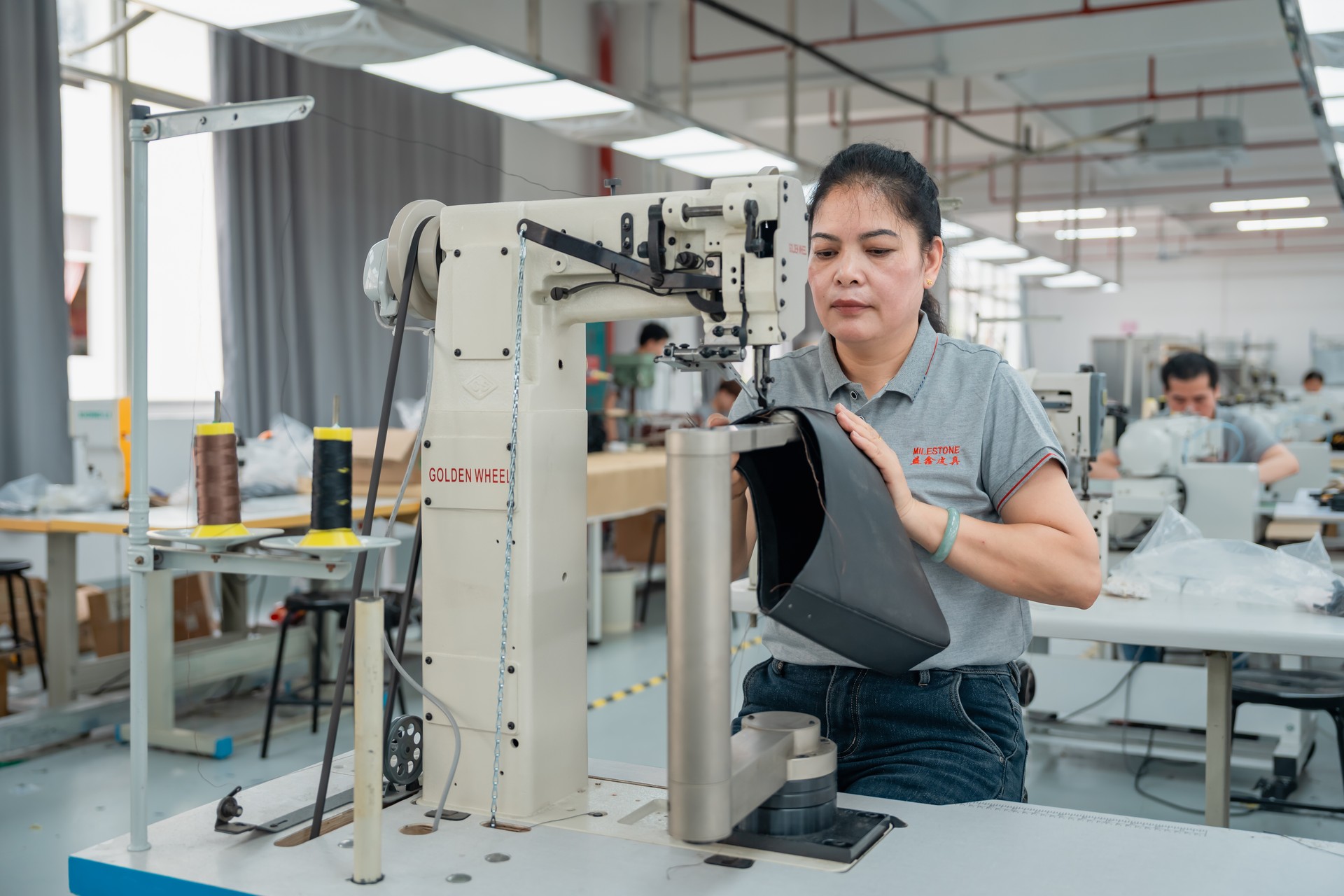
Beyond their names, backpacks also differ in how their components are designed and assembled. Understanding the parts of a backpack and their construction can help you recognize the structural differences between everyday backpacks, rugged outdoor packs, and premium leather designs.
For high-end manufacturers, precise terminology is crucial, since it conveys quality and design intent beautifully. The term leather backpack is widely preferred in the luxury market because it communicates sophisticated design and premium materials. It also offers versatile functionality for both professional and leisure settings. The rise of the laptop backpack reflects a demand for sophisticated, protective carry solutions that do not compromise on style. High-end brands focus on integrating technology compartments seamlessly into elegant designs. Luxury American brands almost exclusively use 'leather backpack' or 'designer backpack' to signify contemporary style and investment pieces, rarely 'rucksack' or 'knapsack' unless specifically evoking a heritage or rugged aesthetic.
While 'backpack' remains the most common term, understanding nuances like 'rucksack' and 'knapsack' enriches our grasp of the market. But for a brand or business, the name matters less than the build quality.
For B2B buyers, whether you are looking for corporate gifting solutions, employee recognition rewards, or launching a high-end retail collection, understanding materials and construction is paramount.
At Milestone, we don't just know the terminology; we know the engineering behind it. We offer exceptional craftsmanship in high-end leather bags, designed for lasting durability and sophisticated utility. Partner with Milestone to define the future of premium carry for your discerning clientele.