Author: Ethan Publish Time: 2026-04-01 Origin: Milestone

Questions like is Coach considered a luxury brand tend to surface whenever consumers or partners try to sort a label into familiar tiers, and that impulse often comes from the way people read materials, pricing, and the feel of a bag's construction. The perception of luxury rarely hinges on a single factor; it forms through a mix of brand heritage, design restraint, and the small, tactile cues—such as stitching tension or the grain of the leather—that signal scarcity and intention. For businesses operating upstream, understanding whether Coach sits in the luxury or accessible‑luxury bracket isn't just trivia. It shapes competitive mapping, guides production planning, and helps teams gauge how their own products should be positioned when buyers ask whether Coach is a luxury brand in the first place.
Understanding what qualifies as genuine luxury starts with a clear checklist. Most industry observers point first to heritage and craftsmanship, the kind reinforced by decades of know‑how and hands trained to shape leather rather than simply assemble it. These elements create the narrative backbone of a luxury house and mirror the qualities associated with a truly premium piece.
Economists contribute another layer to this definition. They describe a luxury good as something for which demand grows faster than income, a relationship that helps explain why price signals matter so much in positioning. That principle often shapes debates around is coach luxury, because pricing alone doesn't settle the question; it simply hints at where a brand sits on the spectrum.
Scarcity and exclusivity then tighten the frame. Controlled production, limited access, and deliberate rarity create friction in the buying journey, and that friction is often what customers interpret as status. When an item is easy to find, its perceived value shifts, even if the materials are exceptional.
Finally, the market now draws a line between accessible luxury and true luxury. The former offers elevated design and respectable craftsmanship at reachable price points, while the latter rests on strict scarcity, uncompromising materials, and deep heritage. Brands navigating this space walk a tightrope: they must broaden appeal without diluting the qualities that define what luxury means today.
Coach began as a small New York workshop crafting hand-stitched leather goods, and its early reputation grew from the tactile charm of baseball‑glove leather and the punchy colors that stood out in crowded retail displays. Over the decades, the brand shifted away from quiet minimalism and stepped into a broader lifestyle identity, prompting many shoppers to ask whether Coach is considered a luxury brand or something more elastic. That shift accelerated once the company leaned into its Accessible Luxury positioning, which opened doors for scale but also blurred traditional luxury boundaries.
In recent years, the pivot toward Expressive Luxury has reshaped the brand's playbook. The focus no longer rests solely on price tiers or status signals; it revolves around emotion, self‑expression, and the kind of narrative Gen Z gravitates toward. This shift influences not only design cues but also sourcing strategy, global production, and how Coach evaluates quality tiers—areas explored in analyses such as the discussion on its global production changes in how Coach approaches manufacturing.
For B2B partners, this evolution matters. Product lines must support sharper storytelling, flexible material programs, and consistent craftsmanship standards that align with a consumer base expecting individuality without losing the polish that made Coach relevant in the first place.
Coach's craftsmanship sits in an interesting middle ground: markedly better than mass‑market labels yet built on processes that differ from the slow, heritage‑driven methods used by the highest tier of luxury houses. The contrast becomes clearer when you compare material selection and finishing. A black leather Coach purse, for example, often uses smooth or pebble‑grain hides that are consistent and durable, but they are usually sourced in higher volumes, which limits the nuance and hand‑feel prized in true heritage luxury. By comparison, top luxury houses still rely heavily on small‑batch tanning and hand‑cut panels, a model that continues to outperform the broader market—highlighted by the fact that revenues rose 9 percent year‑on‑year for one of the sector's strongest performers.

Construction methods reveal a similar gap. Coach bags feature clean stitching, reinforced edges, and dependable hardware, making them appealing for buyers wondering is Coach a luxury brand or is Coach high end. Yet these elements are optimized for scale. Heritage ateliers often spend far more time on edge‑painting, saddle stitching, burnishing, and hardware polishing—tasks that can't be rushed without affecting the final character of the bag.
For B2B partners evaluating manufacturing tiers, this divide matters. Coach operates firmly within the mass‑premium space, while heritage luxury maintains slower, labor‑intensive craft requirements. For retailers seeking manufacturing partners capable of delivering mass-premium quality on par with Coach or Michael Kors, consulting a professional guide to leading handbag producers is an essential first step.
Coach occupies a space that neither fits the predictability of mid‑tier brands nor aligns with the guarded aura of elite luxury houses. Its pricing is a clear signal: most core styles sit in the $200–$995 bracket, which positions the brand above mass fashion yet well below the four‑figure entry points of old‑guard maisons. That gap has widened in recent years as ultra‑luxury labels pushed their prices higher; according to reporting on accessible‑luxury market dynamics, those increases created a vacuum that brands like Coach have been able to fill. You see the effect on store floors, resale activity, and even how shoppers talk about whether Coach is luxury or Coach is a designer brand.

Distribution offers another clue. Coach relies on broad retail networks, including outlets, which limits the scarcity that top luxury houses cultivate through limited runs and controlled boutiques. What Coach gains instead is reach—an advantage in a category where expressive, inclusive style often outweighs strict exclusivity. A reader exploring the nuances of the American market through resources such as the expanded handbag lexicon can see how this shift reflects changing consumer language and expectations.
This is where Old Luxury and Expressive Luxury diverge. The former relies on status signaling and artificial scarcity. The latter rewards craft, personality, and a sense of authenticity—traits Coach increasingly builds into its leatherwork and storytelling. Its placement in the market reflects that blend of accessibility and aspiration, a position few brands manage to hold for long.
Price Tier Comparison Across Fashion Segments
| Segment | Typical Price Range | Notes |
|---|---|---|
| Mid‑Tier Fashion | $100–$200 (Varies) | Broad distribution; minimal scarcity |
| Accessible Luxury | $200–$800 | Defined by FTC and reflected in Fashionista's analysis |
| Expressive Luxury | $800–$2500 | Features higher scarcity and stronger creative identity than accessible tiers. |
| Elite Luxury | / | Generally far higher and driven by scarcity tactics |
Coach's position in the accessible‑luxury tier offers practical signals for brands deciding how to shape their next collection. Its mix of recognizable styling and dependable materials shows that buyers still judge a bag first by how it feels in the hand—smooth pull on a zipper, edges burnished cleanly, no cracking grain after a season of use. Anyone wondering is Coach a nice brand is ultimately responding to that balance of finish and price, which becomes a useful compass for private‑label lines aiming to occupy a similar space.
For B2B teams, the opportunity lies in pushing craftsmanship a step deeper than the mid‑market expects. Small upgrades—tighter stitch density, firmer structure in high‑stress points, or full‑grain panels where competitors cut corners—create a noticeable premium effect without breaking margin targets. These choices help a product stand apart in categories often crowded with look‑alike silhouettes.
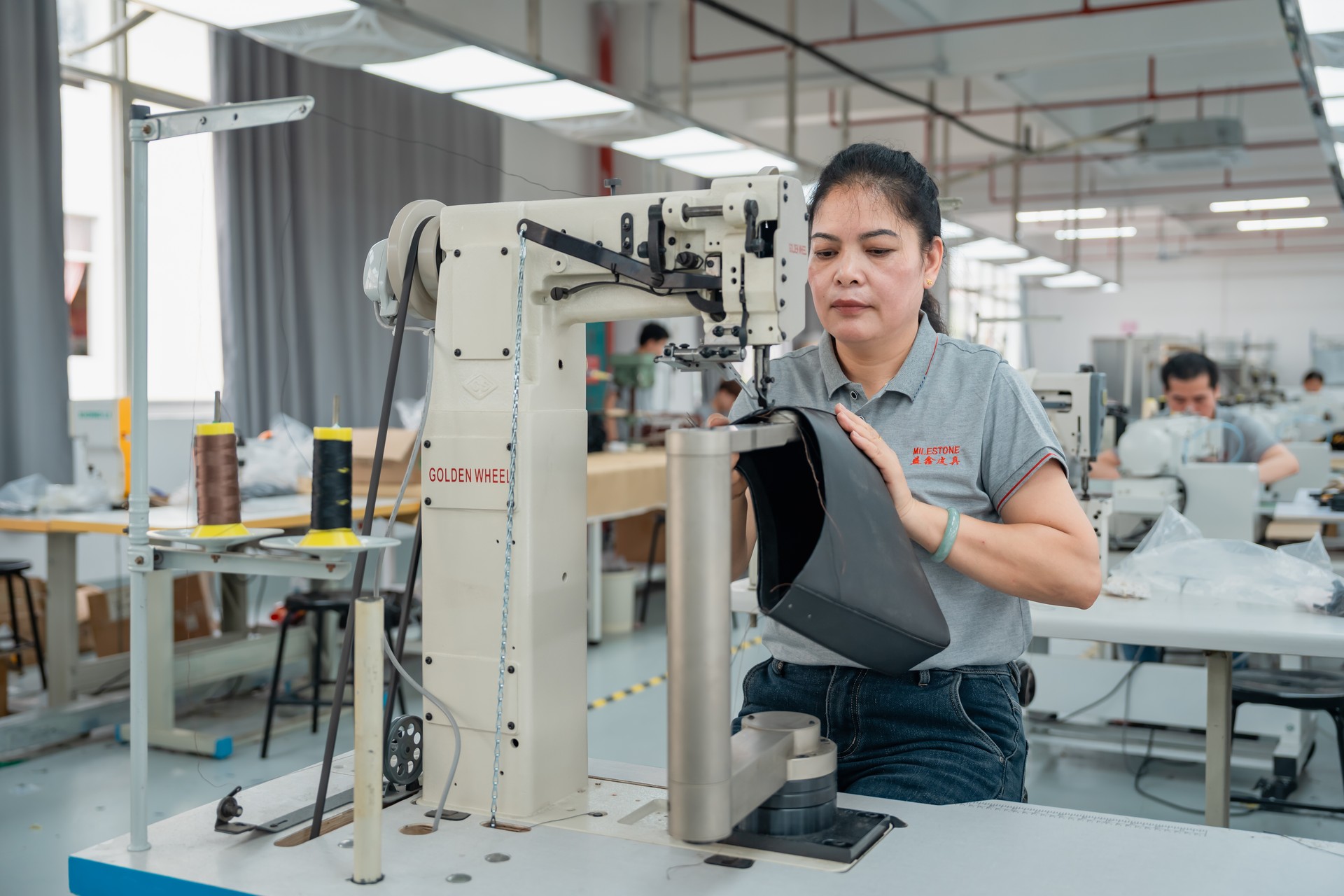
Milestone supports this approach by supplying high‑end leather production grounded in consistent quality control. Through our work in leather bag manufacturing, we help brands translate design ideas into durable goods that hold their shape, age attractively, and meet retailer demands for reliability.
Coach sits comfortably in the space often described as accessible luxury, a tier where polished branding and solid craftsmanship meet price points that still welcome a wide audience. Anyone asking is Coach considered a luxury brand usually senses this middle ground, and they're right: the label remains a step below the scarcity, atelier‑level detailing, and heritage depth that define true luxury benchmarks. Still, its consistency has shaped real market trust. For B2B partners looking to craft leather goods with sharper precision—pieces with cleaner cuts, richer hides, and quieter confidence—Milestone is ready to build that next collection with you.
Ready to start your custom project?
Expert insights on care, styling, and manufacturing.
Coach is best described as a "expressive luxury" brand rather than true heritage luxury. It delivers quality craftsmanship and heritage appeal. Many view it as an entry point into the modern affordable‑luxury market.
Coach uses quality leathers, but not typically the ultra-premium grades reserved for top luxury maisons. The brand focuses on durable, well-finished hides, including some premium options like glove‑tanned leather, though materials such as ultra‑luxury exotics or artisanal suede treatments—similar to those seen in specialized suede craftsmanship—are less common.
Coach has produced genuinely limited‑edition pieces that edge into luxury, particularly through its Coach Craftsmanship Bar exclusives, artist collaborations, and small‑run Heritage and Rogue releases. These collections use premium materials, hand‑finishing, and restricted quantities, making them more collectible and closer to luxury positioning than Coach's standard lines.
Coach's pricing leans more toward brand positioning, supported by its heritage image and accessible‑luxury status. Craftsmanship plays a role—especially in its leather goods—but the brand strategically prices products to sit between mass‑market and true luxury labels. This balance helps maintain its premium appeal without competing directly with high‑end luxury houses.
Most fashion analysts place Coach in the entry‑level luxury category, noting its blend of accessible pricing, strong brand heritage, and upgraded craftsmanship. It occupies a tier below true luxury houses like Louis Vuitton or Chanel but remains above premium high‑street labels, appealing to consumers seeking an affordable step into the luxury market.