Author: Ethan Publish Time: 2025-11-13 Origin: Milestone
If you've ever browsed an American fashion website or overheard a conversation in a New York café, you might have wondered — why do Americans say "purse" instead of "handbag"?
It's one of those subtle yet fascinating cultural differences in English that reveals more than just vocabulary.
It reflects lifestyle, fashion habits, and even how people think about accessories.
Let's unpack what Americans really mean when they say "purse," how it differs from "handbag" elsewhere in the world, and why the word choice still matters in modern fashion.
In the United States, the word "purse" is far more common than handbag.
To most Americans, a purse simply refers to the small or medium-sized bag women carry every day — whether it's a tan leather tote, a pink satchel, or a beige crossbody bag.
Meanwhile, in the UK and other English-speaking regions, "handbag" remains the standard term.
British fashion magazines often describe items like cream handbags or pearl clutches, whereas an American might just call them "purses."
In short: every handbag is a purse in the U.S., but not every purse would be called a handbag abroad.
This linguistic nuance highlights how fashion and language evolve together.
Historically, the term "purse" originated in the 14th century, meaning a small pouch for coins — something both men and women carried.
Over time, as fashion evolved and women began to use larger, more decorative bags, the term stayed in American English but expanded in meaning.
By the early 20th century, American designers and handbag manufacturers began branding their collections as "purses" to appeal to the domestic market.
Luxury brands later blurred the terminology — what was once a functional purse became a symbol of elegance.
Today, whether you say purse or handbag, what matters is craftsmanship and design — not the label.
In American style, a handbag (or purse) is deeply connected to individuality and function.
From handbags for work that balance utility with polish, to handbags for prom that shimmer with beads or metallic finishes — every occasion calls for its own expression of taste.
Brands have long captured this all-American aesthetic — bold yet accessible, playful yet practical.
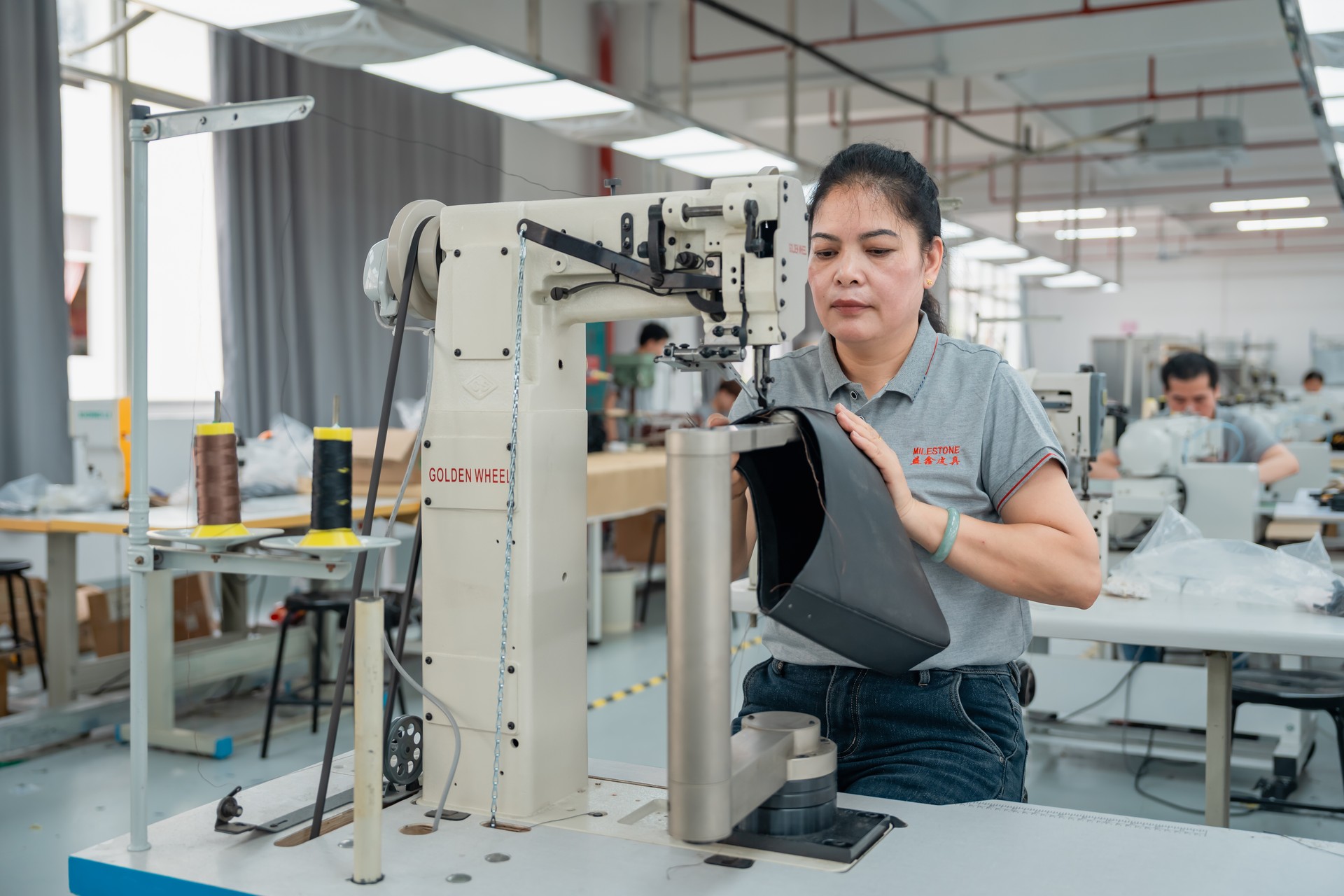
And behind the scenes, expert handbag manufacturers combine traditional leather craftsmanship with innovative design to meet evolving tastes.
Interestingly, most Americans today use purse and handbag interchangeably.
Search "handbag" on an American online store, and you'll likely see "purse" in the category title.
But when someone says "purse," they usually mean:
A personal, often stylish everyday bag.
Something functional enough for essentials — phone, wallet, lipstick.
And increasingly, a reflection of one's lifestyle or values (like sustainability or craftsmanship).
That's where handbag manufacturers have adapted: combining classic materials with modern purpose.
For instance, a beaded handbag for a prom night or a cream leather tote for work both serve different needs — yet belong to the same evolving story of American fashion.
The beauty of handbags lies in how universal yet diverse they are.
While Americans might say "purse," Europeans prefer "handbag," and in some Asian markets, you'll hear "shoulder bag" or "ladies' bag."
Yet the essence remains the same — it's a personal accessory that carries not just belongings, but confidence and identity.
As global handbag manufacturers continue to merge cultural inspirations — from Italian leather to American practicality — these linguistic boundaries are slowly fading.
So, what do Americans call a handbag?
Simply put — they call it a purse.
But more importantly, they've turned it into a lifestyle statement.
Whether it's a tan leather handbag for work, a pearl purse for a wedding, or a red handbag that adds confidence to every outfit, the American handbag represents freedom, personality, and innovation.
And behind every beautiful design is a handbag manufacturer dedicated to crafting pieces that blend heritage with modern life.
Words may differ — but great design speaks a universal language.