Author: Ethan Publish Time: 2026-04-20 Origin: Milestone

A puffer crossbody bag combines the easy, hands‑free wear of a traditional crossbody bag with the padded, air‑filled structure consumers associate with modern insulated outerwear. The result is a lightweight style that feels soft in the hand yet holds its shape, a mix that often raises questions from buyers who want clarity on how these bags are actually built beneath the quilted surface. Some expect the same construction methods used in luxury quilted designer bags, while others assume simple foam stuffing, and those mismatched expectations can lead to confusion about durability and material value. By understanding the distinction—especially how different fills, shells, and stitching approaches shape performance—brands and buyers gain a clearer picture of what they're really sourcing or carrying.
A puffer crossbody bag earns its name from the inflated, cushioned structure created by stitched channels or segmented panels. These sections hold the filling in place, shaping the bag into the familiar pillowy form that feels soft in hand and carries a casual, modern character. Anyone comparing silhouettes across styles—especially when studying what defines a true crossbody design—may also find it helpful to check a broader explanation such as the one in this guide: a manufacturer's view of what makes a crossbody bag function as a crossbody.
What gives a puffer its "lift" is the fill material. Brands typically choose between lightweight polyester batting, spongy foam sheets, or recycled fiber blends. Each option changes the experience. Polyester batting keeps the bag feathery, ideal for buyers who need a nylon crossbody bag that can travel easily without adding strain. Foam creates a springier, more structured feel, which many B2B clients prefer when they want the silhouette to hold its volume on store shelves. Recycled fibers introduce a denser softness that works well for winter collections, though they add a bit of weight. These trade-offs matter when developing a crossbody bag that balances comfort, durability, and cost.
It's important to separate the visual cues of quilting from the actual construction of a puffer. Quilted patterns—diamonds, waves, grids—are simply stitching on the outer fabric. They look textured, but they don't guarantee any real padding. A true puffer relies on filled chambers, not decorative seams. The distinction influences warmth, tactile appeal, and long-term shape retention, which are all key considerations for brands sourcing or producing padded bags in volume.
Nylon, leather, and vegan PU each influence how a puffer crossbody bag behaves once the padding is quilted and the shell begins to trap air. Nylon produces the most pronounced puff, because its lightweight weave springs back after compression and holds volume without adding bulk. Industry reports note that 100 percent recycled nylon used in premium bags is often GRS‑certified and made from discarded fishing nets, a detail that reinforces both material traceability and performance credibility according to a noted sustainability report. Leather, by contrast, delivers a denser and more sculpted puff. The grain resists over-expansion, creating a firmer silhouette that feels structured in hand, which appeals to buyers seeking a more elevated take on the puffer trend.
Vegan PU sits between the two. It offers similar sheen and softness to real hide but compresses more easily, leading to a gentler, less architectural puff. The coating also affects breathability, which matters during long-term wear tests.
Durability and water resistance vary sharply across these materials. Nylon withstands abrasion and moisture, making it a practical choice for an everyday nylon crossbody bag. Leather resists wear but still requires finishing treatment to handle rain or heavy humidity. PU is naturally water-resistant but can show creasing or peeling over time if sourced from lower-tier suppliers.
For Milestone's high-end production standards, nylon supports technical performance, leather aligns with premium positioning, and PU offers a cost-efficient, vegan option when paired with strict quality controls.
Material performance comparison for puffer bags
| Material | Puff Effect | Durability | Water Resistance | Best Use Case |
|---|---|---|---|---|
| Nylon | Strong, voluminous | High | High | Technical or everyday styles |
| Leather | Structured, firm | Very high | Moderate | Luxury silhouettes like a leather crossbody bag |
| Vegan PU | Soft, moderate | Medium | High | Cost-conscious or vegan-focused lines |
A puffer crossbody bag earns its place in daily routines because it stays light even when packed, making it easy to carry through subway transfers, crowded sidewalks, or airport concourses. The quilted build distributes weight softly against the body, so the bag doesn't dig into the shoulder during long commutes. This blend of softness and structure speaks to the same consumer expectation shaping adjacent categories—recent reporting from Sourcing Journal noted that modern shoppers look for items that can withstand unpredictable conditions, such as footwear designed to survive sudden rainstorms. That mindset pushes buyers to favor accessories that feel equally ready for anything.
Travel scenarios amplify this need for readiness. A well‑made puffer keeps essentials tight to the body where they're harder to misplace or tamper with, and the interior usually offers smarter segmentation than the casual look suggests. Whether the wearer is navigating security lines or stepping off a train into a new city, the bag performs like a compact command center. This practical angle is one reason interest in crossbody bags for travel continues to build—an idea explored in our broader take on why crossbody bags matter in modern wardrobes, presented in a natural way through the lens of /The-Modern-Essential-Why-Crossbody-Bags-Matter-id40275985.html.
Buyers evaluating travel‑ready puffers typically look for:
Featherweight construction that doesn't add strain when worn for hours.
Zippered internal pockets for passports, cards, and small tech.
Water‑resistant shells to protect contents during unpredictable weather.
Adjustable straps for switching between layering needs or carrying styles.
Compact yet structured compartments that prevent items from sinking to the bottom.
Size variations in puffer crossbody silhouettes usually fall into three buckets: compact, mid-range, and oversized. Compact designs work well for customers who want the softness of a puffer build without the bulk, echoing the footprint of a small leather crossbody bag but with a cushioned feel. Mid-range bags accommodate daily essentials, while oversized options often serve travel or cold‑weather markets that favor a more substantial look.
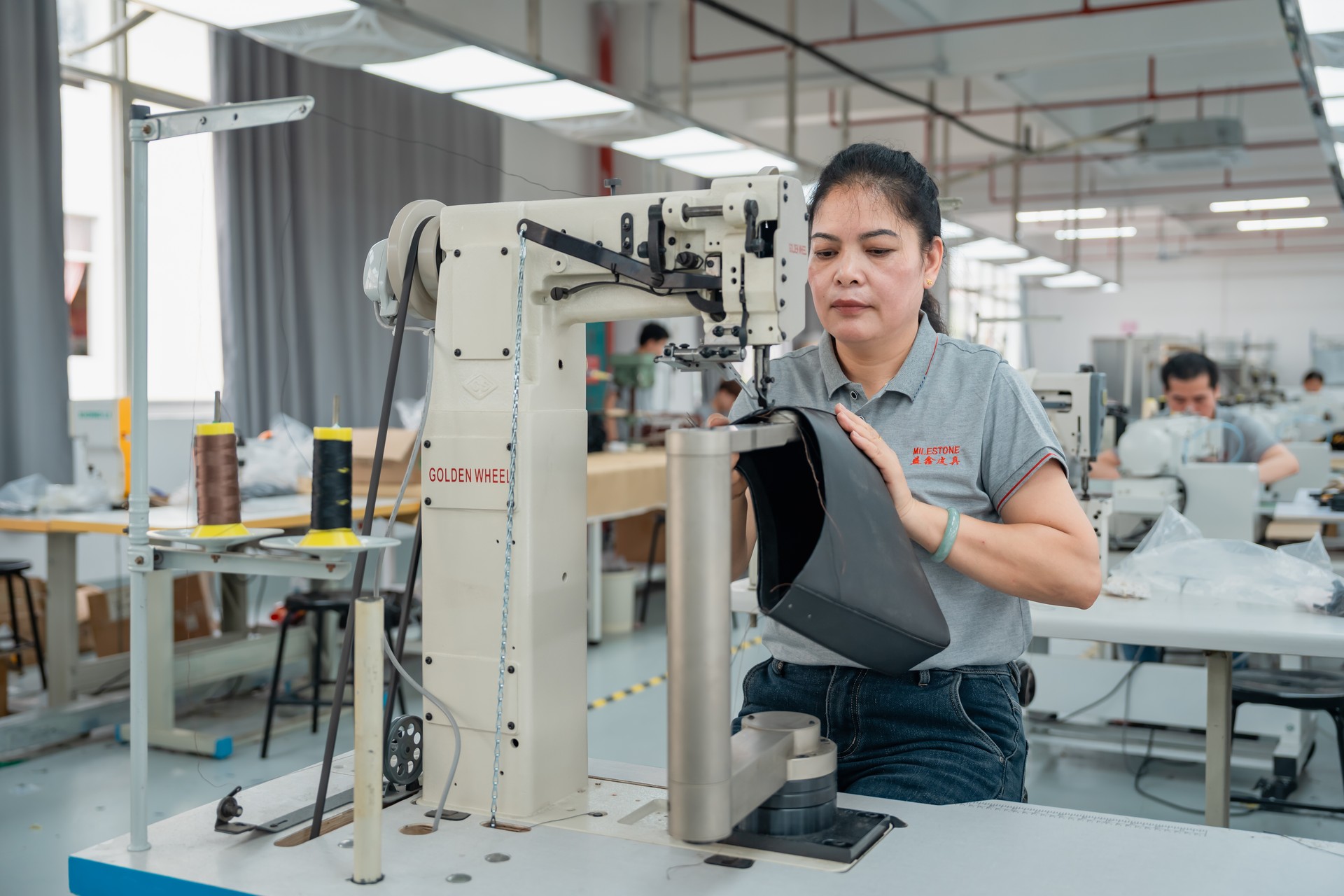
Quality sourcing hinges on stitching precision and padding symmetry. Uneven channels or loose thread ends can flatten a bag long before it reaches a sales floor, and buyers often flag these details during audits. Many teams use the same evaluation criteria found in experienced partners who specialize in crossbody bag production.
Milestone supports B2B buyers with tailored development paths, especially when custom molds, quilting patterns, or mixed materials are required. Brands frequently request firmer foam blends for structure, softer recycled fills for a relaxed drape, or proprietary shapes that require a dedicated mold. Defining these inputs early keeps sampling tight and reduces production drift, particularly for seasonal or high-volume runs.
The puffer crossbody bag stands apart because of its padded build, the way those cushioned panels soften the silhouette while still protecting what buyers carry every day. Its mix of lightweight fills, durable shells, and dependable hardware gives retailers and brand owners a piece that works hard in real use, not just in photos. Some teams value the tactile comfort; others focus on the steady demand for a crossbody bag that feels modern yet familiar, especially in travel and streetwear categories. If your brand is exploring custom shapes, quilting patterns, or proprietary materials, Milestone can support development from first sketch to production.
Ready to start your custom project?
Expert insights on care, styling, and manufacturing.
Puffer crossbody bags use noticeably thicker, cloud‑like padding created from plush synthetic fills, giving them a more cushioned and dimensional feel than standard quilted bags. Quilted styles rely on flatter stitching patterns with minimal loft, while puffers maintain a bouncy, padded structure that feels softer and more insulated.
Most puffer crossbody bags use synthetic stuffing, chosen for its light weight, durability, and ability to maintain shape without special care. A smaller portion of premium designs may feature down filling, but synthetic fibers remain the practical standard because they resist moisture, hold structure better, and keep the bag affordable.
Most puffer crossbody bags keep their structure well, thanks to padded quilting and durable stitching, though softer styles may relax slightly with frequent use. High‑quality fill and shell materials help them maintain their shape, especially when stored properly. Avoid overloading the bag to preserve its original silhouette.
The material only becomes vulnerable when the fabric is low‑quality or overly thin, as extreme cold can make synthetics slightly stiffer and more prone to abrasion. Well‑constructed puffer crossbody bags use durable nylon or polyester with reinforced stitching, so they generally resist snagging and tearing even in winter conditions.
It offers only light protection, as the padded, quilted design helps absorb minor bumps but isn't engineered for safeguarding delicate electronics. The insulation mainly enhances softness and structure, not impact resistance. For phones or cameras, a dedicated protective case is still the safer choice inside the puffer crossbody bag.