Author: Ethan Publish Time: 2026-02-27 Origin: Milestone

The Dior Saddle Bag stands as a true cultural phenomenon, far exceeding its role as a mere accessory. Its distinctive, equestrian-inspired silhouette, instantly recognizable, cemented its status as an iconic piece of fashion history. From its initial meteoric rise in the early 2000s, becoming a celebrity favorite and a must-have item, it experienced a period of quiet. Yet, genuine design brilliance never truly fades. Its triumphant return to runways and street style scenes years later proved its remarkable, enduring power. This unique handbag isn't merely a fleeting trend; it represents a significant journey through fashion, a testament to its timeless appeal and innovative form, continuing to capture imaginations globally.
John Galliano, then at the creative helm of Dior, introduced the Saddle Bag in 1999 as part of his Spring/Summer 2000 collection. His design philosophy, rooted in theatricality and a rebellious spirit, often drew from historical and cultural touchstones. For this particular piece, he found inspiration in the elegant lines of equestrian equipment, specifically a horse's saddle. The bag's initial design elements were unmistakable: a compact, asymmetrical silhouette, a short strap designed to tuck neatly under the arm, and the signature 'D' stirrup hardware that gleamed with purposeful intent. This creation was a deliberate departure from the prevailing minimalist trends and the structured, often conservative, luxury handbags of the era. It didn't merely hold essentials; it announced itself. Galliano's vision was to craft an accessory that was more than functional – it was an audacious fashion statement, challenging the very notion of what a high-end bag should look like and how it should be carried. It instantly became a symbol of playful luxury and avant-garde style.
The Dior Saddle Bag didn't just appear; it exploded onto the fashion scene, rapidly securing its position as the definitive "It Bag" of the early 2000s. Its distinctive, equestrian-inspired silhouette offered a fresh alternative to traditional handbag designs, immediately capturing the industry's attention. This meteoric rise was significantly fueled by high-profile celebrity endorsements. Sarah Jessica Parker, as Carrie Bradshaw in Sex and the City, famously sported the bag, cementing its place in pop culture history. Soon, countless A-listers and fashionistas were seen with the iconic design tucked under their arms, transforming it into a coveted accessory. This widespread adoption wasn't merely about owning a designer piece; it represented membership in an exclusive, trend-aware club. The bag's ubiquitous presence across magazines, red carpets, and city streets underscored its profound cultural impact, shaping an entire generation's perception of luxury and style. Its influence was undeniable, a testament to its powerful design and strategic visibility.
The Saddle Bag, once a ubiquitous symbol of early 2000s chic, eventually faced a quiet interlude. Its initial surge in popularity, driven by celebrity endorsement and bold branding, paradoxically led to its temporary saturation. As the decade progressed, fashion trends shifted dramatically; minimalist aesthetics and more structured, understated designs began to dominate the scene, making the Saddle Bag's distinctive, often flamboyant, silhouette feel out of step. Consumer preferences gravitated towards practicality and subtle luxury, pushing the iconic curved shape into dormancy. Yet, even during this retreat, its unique craftsmanship and playful spirit never truly faded from memory. Its absence only highlighted its potential for a triumphant return, a testament to its enduring design. Much like other vintage handbags, the elegance of timeless fashion often sees cycles of rediscovery.
Maria Grazia Chiuri orchestrated the Dior Saddle Bag's triumphant return in Fall 2018, launching a strategic reintroduction that captivated both seasoned collectors and a new generation of fashion enthusiasts. This wasn't merely a nostalgic nod; it was a meticulously planned revival that saw the iconic design reclaim its spotlight through extensive marketing campaigns and celebrity endorsements. While retaining its distinctive silhouette, the modern iteration received thoughtful design updates for enhanced functionality. A key improvement was the switch from the original Velcro closure to a more secure and elegant magnetic snap, addressing a common past critique. Furthermore, the re-engineered bag often featured a slightly roomier interior, subtly accommodating contemporary essentials like smartphones, ensuring its relevance in today's fast-paced world. The revival also brought an explosion of new materials and creative variations beyond the classic leather saddle handbag. From sophisticated smooth calfskin and durable grained leather to the instantly recognizable Oblique jacquard canvas, and even patent leather, monochromatic matte, and camouflage designs, the refreshed collection offered unparalleled choice, solidifying its status as a highly coveted luxury handbag. This strategic move underscored Dior's commitment to evolving its heritage for the modern market.
Original vs. Modern Saddle Bag Features
| Feature | Original (Introduced 1999) | Modern Re-issue (2018) |
|---|---|---|
| Closure | Velcro | Magnetic snap |
| Strap | Short shoulder | Longer, versatile (interchangeable options) |
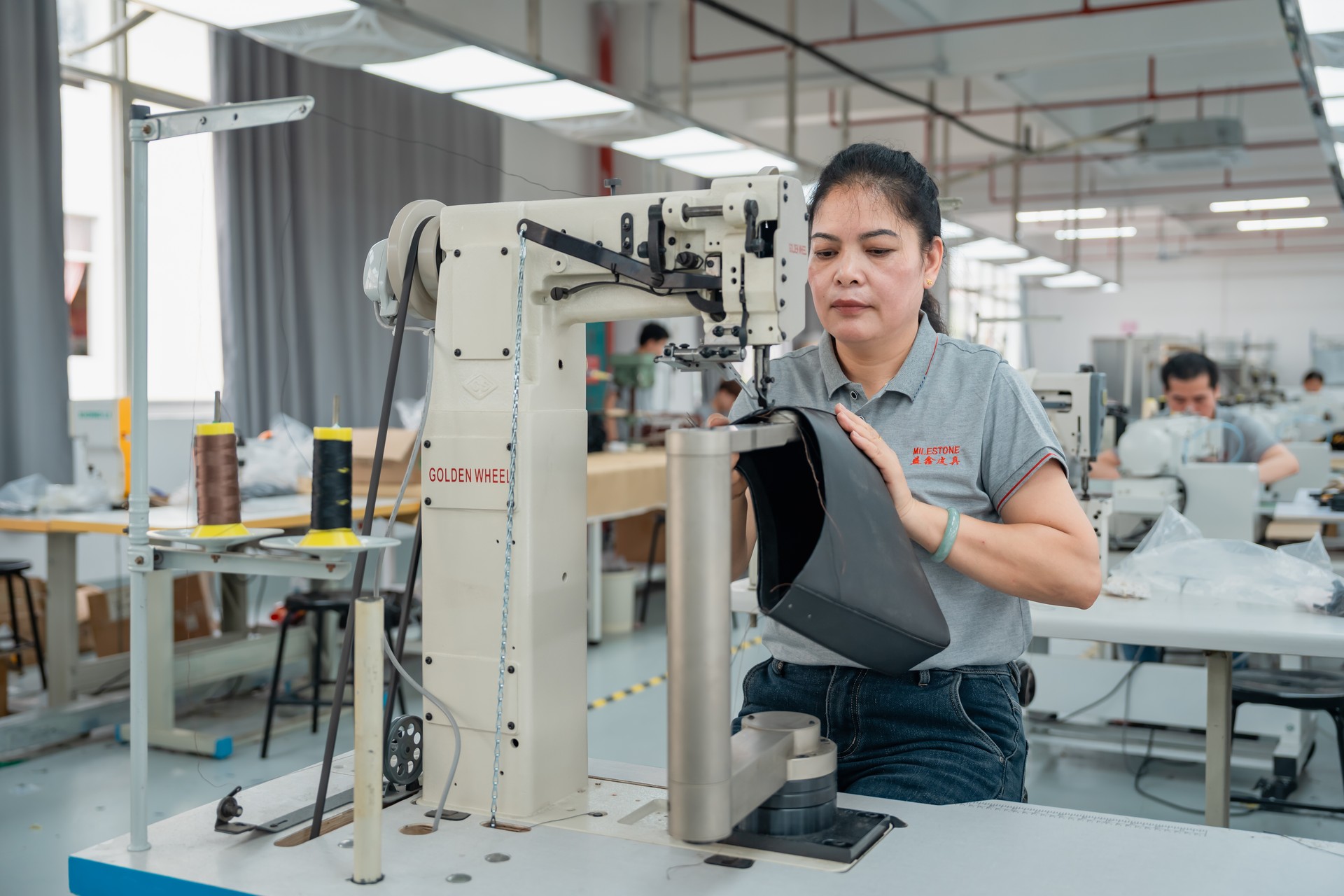
The enduring allure of the Dior Saddle Bag is undeniably rooted in its meticulous craftsmanship – a testament to skilled artistry and precision that transcends fleeting trends. Each bag begins with an uncompromising selection of materials, featuring only the finest full-grain leathers chosen for their inherent beauty, tactile quality, and capacity to develop a rich patina over time. This commitment to quality extends to the very origins of the materials, with many suppliers adhering to stringent environmental and social standards. For instance, the LWG Leather Manufacturer Audit, first launched in 2005, assesses the performance of leather manufacturing facilities against comprehensive environmental, social, and governance metrics, ensuring ethical and sustainable practices are upheld throughout the supply chain according to the Leather Working Group.
Construction involves a symphony of traditional techniques: expert pattern cutting, precise saddle stitching, and meticulous edge painting, all executed by highly trained artisans. This dedication to superior quality manufacturing is precisely what imbues the Saddle Bag with its remarkable longevity, allowing it to remain a cherished item for decades. Furthermore, this inherent durability and timeless appeal directly contribute to its consistently strong resale value, making it a true investment piece. Understanding the intricacies of high-quality leather bag manufacturing reveals why such iconic designs command enduring respect and demand.
The Dior Saddle Bag's journey from a millennium icon to a modern staple highlights the power of distinctive design. To replicate such success, brands require a manufacturing partner that understands the delicate balance between innovation and heritage.
Milestone is that partner. Specializing in high-end leather goods, we provide comprehensive manufacturing solutions backed by a 10,000 m² footprint across our Cambodia and China facilities. Our multi-country presence ensures both flexible capacity and rigorous quality control for intricate silhouettes like the saddle bag. Whether you are scaling a signature line or launching a new vision, Milestone has the capability to initiate production immediately. Connect with our saddle bag specialists today to elevate your brand's legacy.
Ready to start your custom project?
Expert insights on care, styling, and manufacturing.
John Galliano designed the iconic original Dior Saddle Bag, which debuted in 1999 as part of the Spring/Summer 2000 collection during his tenure as creative director for the house of Dior.
The most significant design tweak was the introduction of a new, thicker, and often embellished canvas or embroidered strap. This strap offered more versatility, allowing it to be worn cross-body, and became a signature element of the relaunch. It adapted the classic silhouette for contemporary wearability and broader appeal.
Materials for the Dior Saddle Bag have significantly diversified over the years. While classic leather and Dior Oblique canvas remain core, it has embraced a vast array of textures. These include exotic skins, denim, embroidery, and unique embellishments. This evolution showcases its adaptability and luxury appeal, incorporating various leathers, including suede.
Its 2018 resurgence was largely sparked by Dior's strategic re-release under Maria Grazia Chiuri, coinciding with a wave of celebrity and influencer endorsements on platforms like Instagram. This perfect storm of brand revival and social media buzz reintroduced the iconic silhouette to a new generation, solidifying its status as a coveted luxury item.
Super rare vintage Dior Saddle Bag editions are highly sought after by collectors. Key pieces include John Galliano's iconic newspaper print, designs crafted from exotic leathers like python or ostrich, and intricately embroidered or beaded masterpieces from the early 2000s. These limited editions represent significant fashion history.