Author: Ethan Publish Time: 2025-11-24 Origin: Site
The tote bag is everywhere today—from bookstores and supermarkets to designer runways—but the real story behind its rise is often overlooked. Before it became a fashion icon, the tote began as a practical, durable carry-all used for everyday tasks. Over the decades, cultural shifts, lifestyle changes, and the influence of key brands slowly transformed it from a simple utility bag into a global trend.
For both everyday consumers and retailers exploring versatile product lines, understanding how the tote bag gained its status helps explain why it remains one of the most recognizable bag types worldwide. The trend didn't start overnight; it evolved through history, design, and cultural adoption. To understand that evolution, we need to look back at the earliest versions of the tote bag—long before it became fashionable.
Long before the modern tote appeared, early versions of open-top, sturdy fabric bags were used across Europe and America for carrying goods, tools, and household items. These bags weren't considered "fashion pieces"; they were functional objects made from canvas, jute, or other heavy materials. Their purpose was simple: provide a reliable way to transport daily necessities.
The term "tote," meaning "to carry," began appearing in the 17th–18th century, but the bag itself had no defined structure or cultural identity at that time. It was purely utilitarian. (Learn more about why the tote is called a tote.) This practical origin explains why later tote designs kept a minimalist, spacious shape—features that both consumers and modern retailers still value today. Only in the 20th century did the tote begin its transformation from a workhorse item into a recognizable style category.
The tote bag's modern identity can be traced back to 1944, when L.L.Bean introduced the Ice Bag—a heavy-duty canvas carrier designed to transport blocks of ice. Its boxy shape, reinforced seams, and tall handles were created for strength rather than style, yet the canvas "tote bag" design unintentionally set the blueprint for today's tote bags. The Ice Bag stood out because it was practical, durable, and able to handle heavy loads without fuss.
Although it wasn't marketed as a fashion item, the bag's sturdy silhouette and simple construction made it adaptable. Over time, consumers began using it for groceries, books, and everyday errands. This shift in behavior is what eventually opened the door for designers, retailers, and even small brands to reinterpret the tote bag as a lifestyle accessory—not just a utility tool.
While L.L.Bean created the first recognizable modern tote, the true push into mainstream culture came from independent bookstores, cultural institutions, and emerging designers in the late 20th century. The most influential example is the Strand Bookstore tote, a simple red-lettered canvas bag that became an urban badge of identity across New York City. Its popularity proved that a tote could represent more than function—it could express personality, values, and belonging.
Around the same period, designers began adopting the tote shape for casual collections, pairing it with modern prints, minimalist silhouettes, and premium materials. This crossover between practicality and culture helped spread the trend globally. Consumers embraced it for convenience; retailers appreciated it for its versatility and branding potential. Together, these forces—not one single person—turned the tote bag into a lasting fashion and lifestyle icon.
Several culturally significant tote bags helped transform the tote from a functional carryall into a recognizable fashion symbol. The L.L.Bean Boat and Tote, introduced in the 1960s, remains one of the most influential designs. Its thick canvas body, reinforced bottom, and contrasting handles created a polished yet practical look—something both students and professionals could carry without effort.
Another key icon is the Strand Bookstore tote, which became synonymous with New York's creative scene. Its bold typography turned a simple cotton bag into an instantly identifiable street-style marker. Similar influence came from museum totes, charity-event totes, and early designer interpretations that used the tote as a blank canvas for graphic storytelling.
These early "icons" all shared the same strengths: affordability, purpose-driven design, and broad cultural appeal. That mix is what allowed the tote bag to cross from niche environments into mainstream global fashion.
The tote bag's staying power comes from its simplicity and adaptability. Unlike structured handbags, a tote moves easily between daily errands, work commutes, casual outings, and even light travel. This flexibility makes it appealing across demographics—from students to office workers, from urban shoppers to small retailers who need a customizable product.
Its continued popularity is also tied to culture. Sustainability movements pushed reusable bags into everyday life, positioning the tote as a responsible alternative to disposable packaging. Meanwhile, street-style trends embraced its relaxed silhouette, helping it remain relevant season after season.
Brands and small businesses also favor totes because the large surface area suits prints, logos, and campaigns. Whether sold as merchandise or used as a promotional carrier, the tote retains both functional and marketing value. This combination of utility, cultural meaning, and creative potential is why the trend shows no sign of fading.
The tote bag trend accelerated because it aligned with several cultural shifts. As sustainability gained attention, reusable cotton and canvas totes became an easy alternative to single-use packaging. Their lightweight build and washable materials made them practical for grocery runs, commutes, and daily errands.
At the same time, the rise of street style brought more relaxed silhouettes into fashion. Leather tote bags, with their uncomplicated structure, fit naturally into this aesthetic. Minimalist outfits, oversized sweaters, and casual denim all paired well with soft canvas and printed logos.
Another reason the trend persists is cost-effectiveness. A tote bag is accessible, easy to personalize, and offers brands or retailers a large surface for artwork or storytelling. Whether used in bookstores, coffee shops, independent boutiques, or events, the tote became both a functional tool and a subtle cultural symbol—simple, expressive, and adaptable.
For many brands, the tote bag is more than an accessory—it's an effective product category with low entry barriers and strong consumer demand. Retailers and businesses often choose totes for merchandise, add-on sales, or promotional gifting because they balance cost, function, and design freedom.
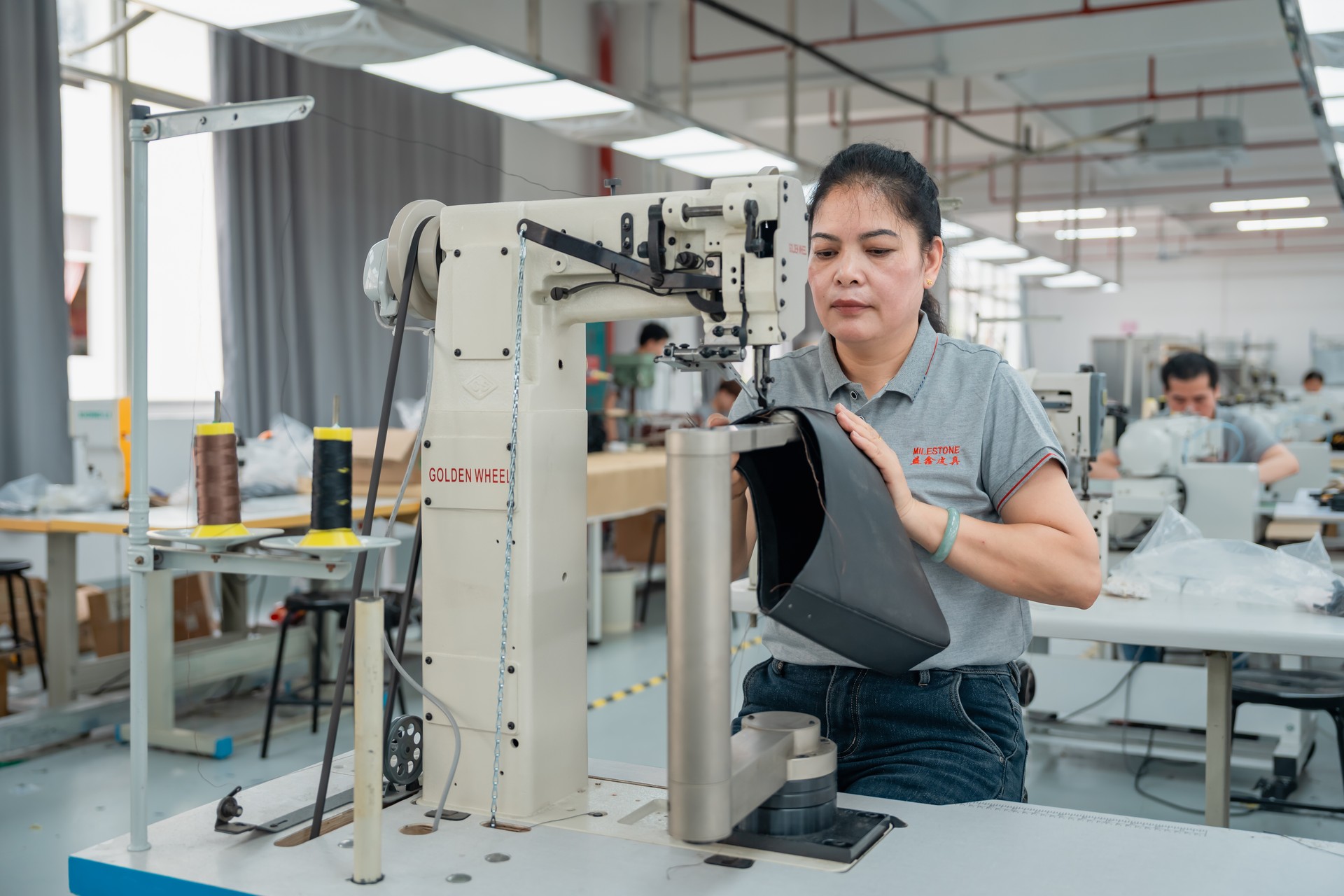
While local sourcing might feel convenient, the price gap and limited customization options often become bottlenecks as volumes grow. This is where a specialized tote bag manufacturer can help. Milestone provides scalable production, material flexibility, and consistent quality control, making it easier for handbag brands to test designs, expand collections, or create custom tote bag lines without rising costs or inconsistent lead times. A dependable supply chain ensures your tote designs remain competitive while keeping margins healthy.
The tote bag trend didn't appear overnight—its journey began with early utility carriers, evolved with L.L.Bean's rugged canvas design, and spread globally through bookstore totes, museum merch, environmental campaigns, and modern street style. What keeps the trend alive today is its balance of practicality and cultural expression. From daily shopping to brand storytelling, the tote remains a versatile canvas for both consumers and businesses. As long as fashion continues to favor functional, expressive, and sustainable accessories, the tote bag will hold its place as one of the most enduring and influential styles in modern bag history.