Author: Ethan Publish Time: 2025-12-10 Origin: Milestone Handbag

Clutch vs. wallet — they may look similar, but they serve different purposes.
In an age where minimalism shapes the way we dress, travel, and even shop, it's no surprise that many people now ask, "Can I use a clutch as a wallet?" The rise of compact accessories has blurred the line between what we need to carry and what we choose to carry. Both clutches and wallets protect our daily essentials, yet each was designed with a different purpose in mind.
A wallet is built for function and structure. A clutch is designed for style and presence—especially at events or moments when your hands become part of the outfit. Their overlap creates confusion, but their etiquette, organization, and usage are not the same.
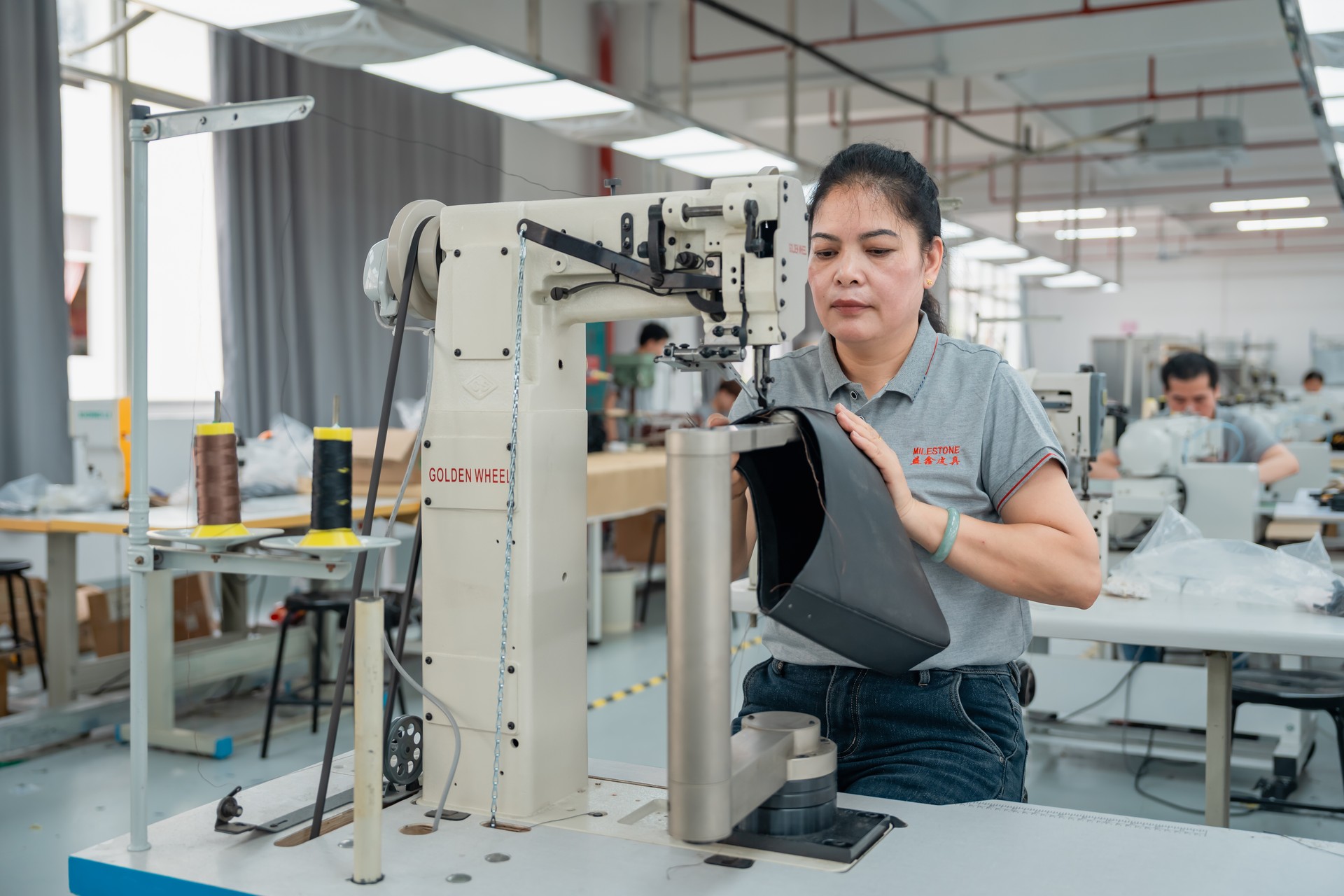
At Milestone Leather, we've watched small leather goods evolve in surprising ways. As manufacturers, we see how interior layouts, sizing, and material expectations shift every year—making this question more relevant than ever.
A wallet is compact, structured, and intentionally organized. It's made to slip into pockets or bags, keeping cards, cash, and IDs neatly separated. A clutch, on the other hand, is event-focused and designed to be carried by hand. It becomes an accessory—something that contributes to the look as much as it carries essentials.
The key differences start with structure. Wallets prioritize slim profiles and rigid organization. Multiple card slots, coin pockets, and ID windows make them purely functional. Clutches vary widely in shape and softness, depending on the material and occasion.
Interior organization is another dividing line. Most clutches offer open compartments and minimal slots, which means items may shift as you move. A wallet's tight arrangement keeps everything fixed in place.
Then comes occasion etiquette. Wallets belong everywhere, from grocery stores to business meetings. Clutches shine at weddings, dinners, or evenings out—moments where a bag becomes part of the attire.
Finally, the carrying method matters. A clutch is meant to be seen. A wallet is meant to be stored. This difference alone explains why many people assume they can be interchangeable, but in reality, they serve distinct purposes.

A wallet is built for structure; a clutch is built for style.
There are moments when a clutch can step in and behave almost like a wallet—especially when you're moving light and need only the basics. But this only works when the clutch meets specific conditions, both in structure and size.
A clutch must be mini-sized to function as a wallet. Larger designs become impractical for daily carry and won't fit inside most totes or work bags. The ideal substitute includes card slots, a zip pocket, or at least some internal dividers. These features prevent your essentials from shifting around and make the clutch easy to store inside a pocket-style tote or an office bag.
A small clutch works well for quick errands, short meetings, or moments when you only need a few cards and a key. It's also surprisingly useful at airports—holding your passport, boarding pass, and travel cards in one place for security checks.
As a B2B insight, many brands now build wallet-style compartments into compact clutches to meet demand for multifunctional accessories.
Even though some clutches can double as wallets, many cannot. Designs created specifically for formal events often focus on aesthetics rather than practicality. They lack card slots, interior dividers, and the slim structure needed for everyday carry.
These clutches are usually too delicate to be tossed into a larger bag. They may bend, scratch, or lose their shape easily. Security is another issue. Without proper closure systems or compartments, items move freely and can fall out when you open the clutch frequently.
Hard-shell clutches—such as pearl clutch bags or shell clutch bags—are beautiful for weddings or evening occasions, but they are not suitable for constant opening and closing. Their rigid structure makes them uncomfortable to use as a daily wallet, and their limited capacity won't hold more than a phone, a lipstick, and a few cards.
In short, if a clutch lacks organization, durability, and flexibility, it simply can't perform the role of a wallet—no matter how stylish it looks.

Some clutches are simply not made for daily wallet-level use.
Not every clutch can double as a wallet, but certain styles come surprisingly close. The key is structure, material, and ease of daily use. Below are the styles that perform best—and the ones that often fall short.
Slim leather clutches are the most practical alternatives. They stay flat, fit easily into a tote, and usually include interior card compartments. Soft-structure clutches also work well because they flex with movement and don't feel bulky. Mini envelope-style clutches with organized card slots are another strong choice for anyone who wants an elegant wallet substitute.
Some clutches, however, simply aren't designed for daily functionality. A shell clutch bag looks stunning for evening events, but its rigid body and small opening make it inconvenient for frequent access. Oversized beaded or metallic designs are often too heavy. A pearl clutch bag is even more delicate—more of a statement accessory than something you open ten times a day.
Soft leather is wallet-friendly because it compresses naturally and ages well. In contrast, metallic or acrylic clutches resist pressure and can crack or scratch. Pieces designed mainly for occasion wear rarely offer the durability or flexibility needed for everyday use.
The short answer is yes—more men are adopting compact clutches as an alternative to long wallets. A mens clutch bag offers extra space for essentials like passports, cards, and phones, making it extremely practical for business sessions, meetings, and travel.
Many men appreciate the added security of a hand-carried accessory. It keeps valuables close, organized, and easy to access without rummaging through a backpack. Minimalist leather designs also look refined and match professional environments, which is why some men treat a clutch as an "extended wallet."
We has observed consistent growth in the men's small carry category. Brands increasingly request structured mini clutches that function somewhere between a wallet and a slim document holder—showing how this hybrid style is becoming mainstream.
Before you commit to using a clutch as your daily wallet, run through a quick reality check. These simple questions help you decide whether it's practical for the day—or better left as an accessory for later.
Does it have card slots?
Is it compact enough?
Does it fit inside your main bag?
Will you open it frequently today?
Is the material durable enough for regular handling?
Is the clutch formal, fragile, or genuinely practical?
If most answers lean positive, your clutch might work well as a temporary wallet substitute.
A clutch isn't a wallet by definition, but the right small, structured design can fill in when needed. Its practicality depends on three elements: size, interior organization, and how often you plan to access it. Occasion-focused clutches—especially decorative styles like pearl or shell—aren't built for everyday use. But with a thoughtful choice, a clutch can support both style and function, giving you a flexible way to transition between daily errands and more polished moments.
If you're developing a clutch line—or exploring compact designs that balance style and function—Milestone can help. As a custom clutch manufacturer and long-term OEM clutch manufacturer, we support brands with precise material sourcing, clean construction, and tailored compartment design for both fashion and everyday utility. Our team partners with emerging labels and established houses alike. If you'd like to create a clutch that functions beautifully as a wallet or event piece, feel free to reach out or start a project through our inquiry form. Your next best-selling accessory begins here.